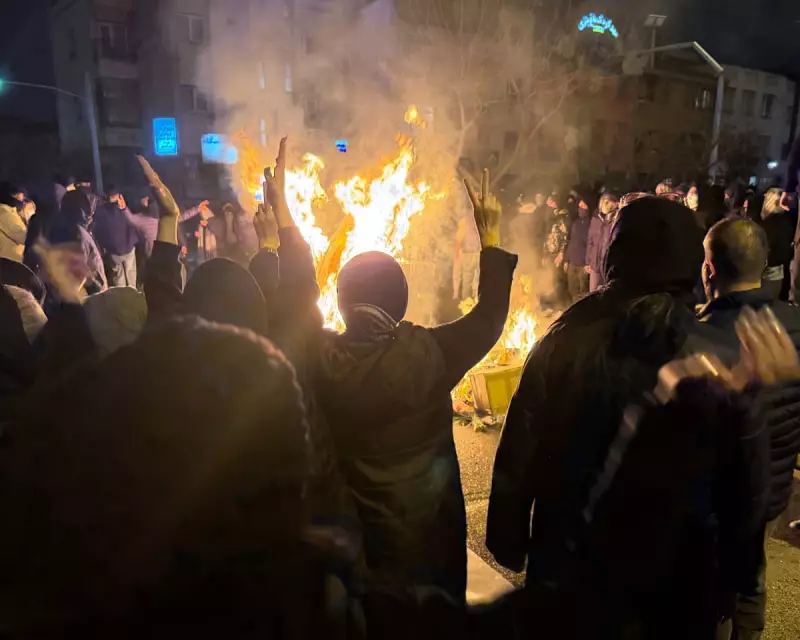
Iran is grappling with one of its most significant waves of civil unrest in years, as widespread anti-government protests continue to escalate. What began as demonstrations over a severe economic crisis and a plummeting currency has rapidly transformed into a broader movement challenging the country's clerical establishment.
Mounting Casualties and a Brutal Crackdown
Despite a severe internet blackout imposed by authorities, grim reports from within Iran paint a picture of a violent state response. According to the US-based Human Rights Activists News Agency (HRANA), at least 2,000 people have been killed since the protests began, with more than 90% of the victims being demonstrators. The agency also states that over 16,700 individuals have been arrested.
Medical professionals inside the country describe hospitals overwhelmed with casualties. Disturbingly, many protesters have sustained gunshot wounds to the head and eyes. One ophthalmologist in Tehran alone documented more than 400 eye injuries from gunfire at a single hospital, indicating the targeted nature of some attacks by security forces.
International Reactions and Threats of Execution
The crisis has drawn sharp international condemnation and raised fears of further foreign intervention. Britain, France, Germany, and Italy have all summoned Iranian ambassadors to protest the violent crackdown. European Commission President Ursula von der Leyen labelled the rising casualty figures as "horrifying".
Meanwhile, the situation has taken a deadly serious turn with the judiciary moving towards executions. The Kurdish rights group Hengaw reported that Erfan Soltani, a 26-year-old arrested in Karaj, is scheduled to be executed. Authorities have informed his family that the death sentence is final.
This has prompted a stark warning from former US President Donald Trump, who stated the US "will take very strong action" if Iran begins executing protesters. In a post on his Truth Social platform, Trump urged "Iranian Patriots" to continue protesting and declared, "help is on its way." The White House has previously noted that airstrikes are among the options being considered.
Diplomatic Fallout and Regime Survival
Iran's government has vehemently accused the United States and Israel of orchestrating the unrest to destabilise the country. In a letter to the UN Security Council, Iran's UN Ambassador, Amir Saeid Iravani, accused Trump of inciting violence and threatening Iran's sovereignty.
The international community appears divided on the outcome. While Russia condemned "subversive external interference," German Chancellor Friedrich Merz has stated he believes the Iranian government will fall. Adding to the pressure, SpaceX's Starlink service is offering free internet in Iran to bypass the government's shutdown, and the US State Department has advised American citizens to leave the country immediately.
As the internet blackout persists past five days, obscuring the full scale of the turmoil, the protests represent a profound challenge to Iran's leadership. With high casualties, threats of execution, and escalating international rhetoric, the path forward remains deeply uncertain and fraught with danger for the Iranian people.