Iran Engages in High-Stakes Ankara Talks to Prevent US Military Action
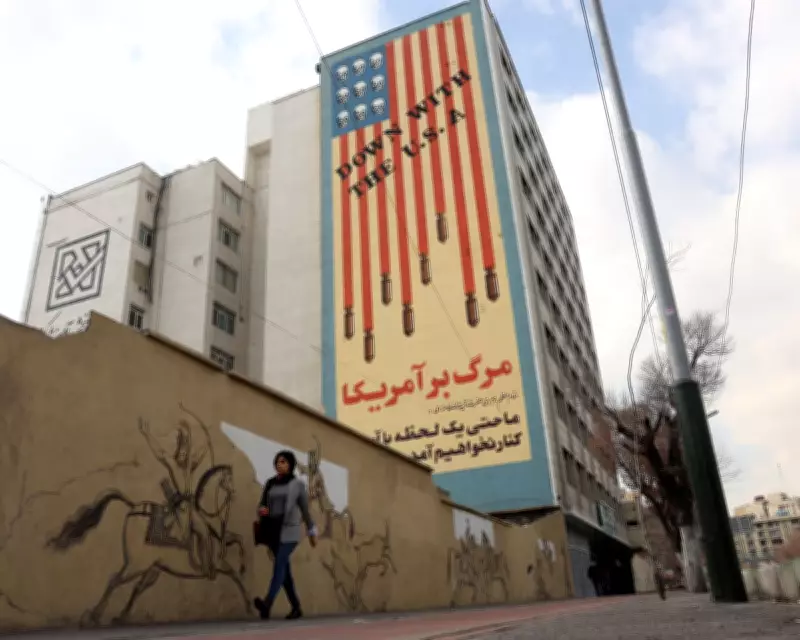
A senior Iranian official has stated that Iran is actively preparing for potential military confrontation while simultaneously pursuing diplomatic channels to de-escalate tensions with the United States. This dual approach comes as Tehran faces mounting pressure from Washington over its nuclear programme and regional activities.
Turkish Mediation Takes Centre Stage
Iranian Foreign Minister Abbas Araghchi is scheduled to travel to Ankara for crucial talks aimed at preventing a US military attack. Turkish diplomats, led by President Recep Tayyip Erdoğan, are attempting to mediate between the two nations, urging Tehran to consider concessions regarding its nuclear ambitions to avoid what could become a devastating regional conflict.
Erdoğan has proposed a video conference between US President Donald Trump and Iranian President Masoud Pezeshkian, representing the kind of high-wire diplomacy that might appeal to the American leader but remains controversial within Iran's cautious diplomatic circles. No formal direct talks have occurred between Washington and Tehran for over a decade.
Escalating Threats and Military Preparations
The diplomatic efforts unfold against a backdrop of increasingly aggressive rhetoric from both sides. President Trump has warned Iran that time is running out, threatening military action that would be "violent and far more extensive" than recent US interventions elsewhere.
In response, Iran has demonstrated military readiness, with Army Chief Maj Gen Amir Hatami announcing that since the June conflict, Iran has revised tactics and constructed 1,000 sea and land-based drones. Hatami emphasised that these drones, combined with Iran's substantial ballistic missile arsenal, could deliver a crushing response to any attack, though he acknowledged vulnerabilities in air defence systems.
Regional Diplomacy and Internal Divisions
The Kremlin has urged both nations to recognise that diplomatic opportunities remain, but Turkey has emerged as the primary mediator as Middle Eastern nations grow increasingly apprehensive about a conflict that could easily spread across the region.
Within Iran, society has become polarised between those demanding concessions to avoid war and others insisting on standing firm against American pressure. President Pezeshkian has attempted to address domestic anger by promising to publish a full list of those killed in recent government crackdowns, though widespread distrust makes it unlikely this will satisfy international observers concerned about potentially high casualty figures.
Complex Demands and Regional Dynamics
US administration officials have outlined specific demands including the handover of Iran's highly enriched uranium stockpile to a third party, an end to domestic uranium enrichment, limits on missile programmes, and cessation of support for proxy groups. Turkish Foreign Minister Hakan Fidan acknowledged these would be difficult for Iran to accept, stating negotiations might appear "humiliating" for Tehran.
Fidan emphasised that Iran needs to rebuild trust with regional neighbours, telling Al Jazeera: "They need to create trust in the region and pay attention to how they are perceived by regional countries." Meanwhile, most Gulf states have declared they will not permit their airspace or territory to be used for attacks against Iran, seeking to protect themselves from potential reprisals.
As diplomatic efforts intensify in Ankara, the region watches anxiously to see whether dialogue can prevail over escalating military threats in this volatile international standoff.