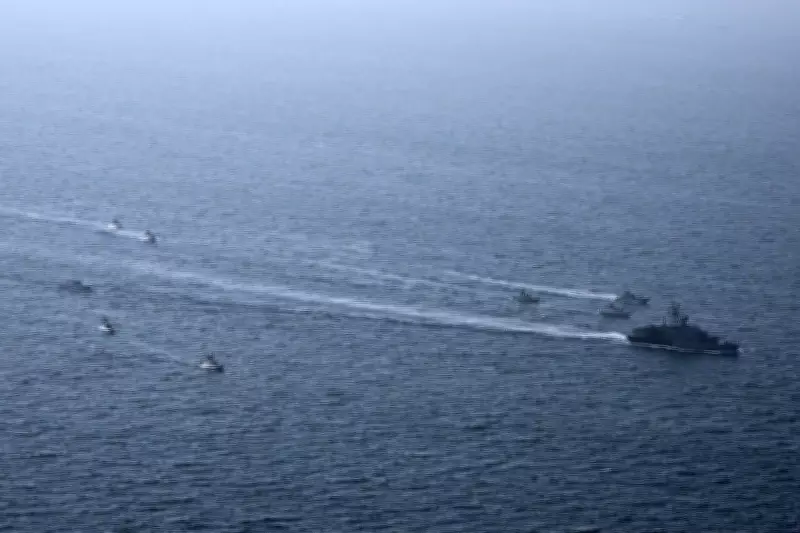
Iran has temporarily shut down a critical section of the Strait of Hormuz for several hours, marking the first such closure of this vital shipping route since the 1980s. This unprecedented move comes amidst escalating tensions with the United States, raising concerns over global oil supplies and regional stability.
Security Precautions Prompt Closure
The closure was officially attributed to 'security precautions' during military exercises conducted by Iran's Revolutionary Guard in the strategically important waterway. The Strait of Hormuz is a chokepoint through which approximately 20 per cent of the world's oil passes, making any disruption a significant event for international markets and energy security.
Heightened US-Iran Confrontation
This action follows a series of escalatory measures from both nations. The United States has deployed two aircraft carriers to the Middle East, a show of force that Iran's Supreme Leader Ayatollah Ali Khamenei has publicly threatened to sink. Despite these hostile postures, diplomatic channels remain partially open, with the US and Iran engaging in talks regarding a potential nuclear deal.

Tehran's foreign minister has indicated that 'guiding principles' have been agreed upon in these negotiations, suggesting a fragile pathway toward diplomacy. However, the simultaneous military manoeuvres underscore the volatile nature of the relationship.
Regional Alliances and Naval Drills
In a further development, Iran announced plans for upcoming joint naval drills with Russia in the Sea of Oman and the northern Indian Ocean. These exercises are framed as efforts to enhance maritime security and counter terrorism, but they also signal strengthening military cooperation between Iran and Russia, potentially complicating US strategic interests in the region.
The temporary closure, while brief, serves as a stark reminder of Iran's capability to disrupt global shipping lanes. It highlights the ongoing geopolitical friction that could impact oil prices and international trade if tensions continue to mount. Observers are closely monitoring the situation, as any prolonged disruption could have far-reaching economic consequences.