Iran's security apparatus has dramatically widened its internal clampdown, turning its attention from street protesters to official reformists within the political establishment. According to analysts and critics, the regime has "bludgeoned the streets into silence with exemplary cruelty" and is now targeting those who sought change from within.
Reformists Detained as Regime Shifts Focus
Security officers have seized at least three prominent reformist figures in recent operations. Those detained include Azar Mansouri, head of the Reformist Front representing multiple reformist factions, and former diplomat Mohsen Aminzadeh, who served under reformist President Mohammad Khatami. Also arrested was Ebrahim Asgharzadeh, who led students during the 1979 US embassy takeover in Tehran.
Ali Vaez, an Iran expert at the International Crisis Group, observed: "Having bludgeoned the streets into silence with exemplary cruelty, the regime has shifted its attention inward, fixing its stare on its loyal opposition. The reformists, sensing the ground move beneath them, had begun to drift - and power, ever paranoid, is now determined to cauterize dissent before it learns to walk."

Arrests Follow Reformist Statement
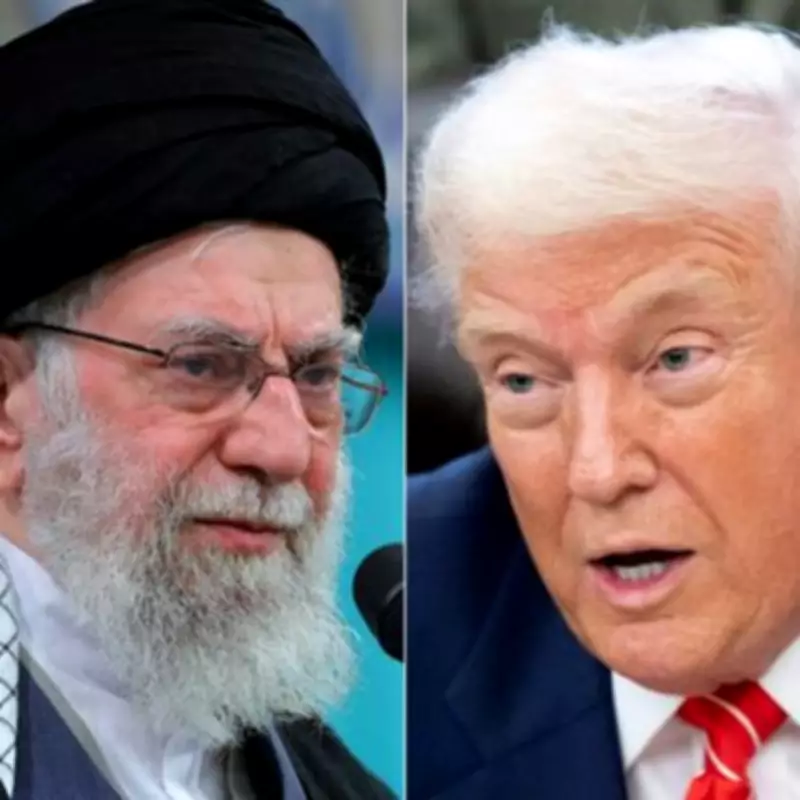
The arrests appear connected to a January statement by reformists calling for Supreme Leader Ayatollah Ali Khamenei, aged 86, to resign. State media accused the detained men of "organising and leading activities aimed at disrupting the political and social situation in the country amid military threats from the United States and the Zionist regime."
This crackdown represents a significant escalation following earlier nationwide protests that authorities suppressed with violence resulting in thousands of deaths and tens of thousands of detentions. Nobel Peace Prize laureate Narges Mohammadi has received an additional prison sentence exceeding seven years, signaling a broader effort to silence opposition voices.
Military Buildup Intensifies Regional Tensions
Meanwhile, military tensions surrounding Iran have reached new heights. The United States has deployed a substantial military armada to waters near Iran in recent weeks, including the aircraft carrier USS Abraham Lincoln with accompanying ships and warplanes. This buildup represents both pressure for nuclear negotiations and preparation for potential strikes should President Donald Trump order them.
The United Kingdom has contributed to regional military preparations by sending at least six F-35B fighter jets to RAF Akrotiri in Cyprus, potentially to assist in defending Israel against retaliatory attacks from Iran. Israeli Prime Minister Benjamin Netanyahu is scheduled to travel to Washington to meet with President Trump, with discussions expected to focus on possible military action against Iran.
Nuclear Stalemate and Rocket Launches
Iran remains defiant regarding its nuclear program, with Foreign Minister Abbas Araghchi signaling Tehran's insistence on maintaining uranium enrichment capabilities despite US demands. More talks are planned to avert open conflict, but Iran has refused concessions on its ballistic weapons program, and Israel has indicated it may attack with or without US support.
Adding to regional tensions, Iran issued warnings to pilots about planned "rocket launches" in Semnan province, home to the Imam Khomeini Spaceport. Such launches have historically coincided with anniversaries of Iran's 1979 Islamic Revolution. The timing coincides with Netanyahu's Washington visit and the countdown to further indirect US-Iran negotiations.
One source familiar with the situation noted: "It is very likely Netanyahu will want to be in the US as close to the deadline for the talks as possible to try and exert as much influence over Trump as possible. He may anticipate that Trump will believe Iran's promises and will want to tackle that position directly."
As security forces reportedly face exhaustion from weeks of suppressing unrest, intelligence suggests a second wave of protests may be planned across Iran. The regime's simultaneous internal crackdown and external military tensions create a volatile situation with potential implications for regional stability and international diplomacy.