Iran Vows to Close Strait of Hormuz in Response to Trump's 48-Hour Ultimatum
Iran has issued a stark warning that it will completely shut down the Strait of Hormuz and launch attacks on energy and water infrastructure across the Gulf if the United States proceeds with President Donald Trump's threat to target Iranian power plants. Military spokesman Ebrahim Zolfaqari stated that any assault on Iran's fuel and energy facilities would prompt retaliatory strikes on U.S. and regional assets, including information technology and desalination plants.
Critical Infrastructure at Risk as Tensions Mount
Parliament speaker Mohammad Baqer Qalibaf emphasized that critical infrastructure could suffer irreversible damage if Iranian power plants are hit. This is particularly concerning for Gulf nations, where desalination plants supply 100% of drinking water in Bahrain and Qatar, and over 80% of the UAE's needs. The Revolutionary Guards declared that the strait would remain closed until destroyed power plants are rebuilt, escalating fears of a prolonged blockade.
President Trump, in an interview with Israel's Channel 13, asserted that Iran would soon face the consequences of his 48-hour ultimatum, demanding the reopening of the Strait of Hormuz or risking the destruction of its power plants. He claimed, "there will be the total destruction of Iran and it is going to work great," as the conflict enters its fourth week with no regime change in sight.

Maritime Traffic Near Collapse and Global Economic Fallout
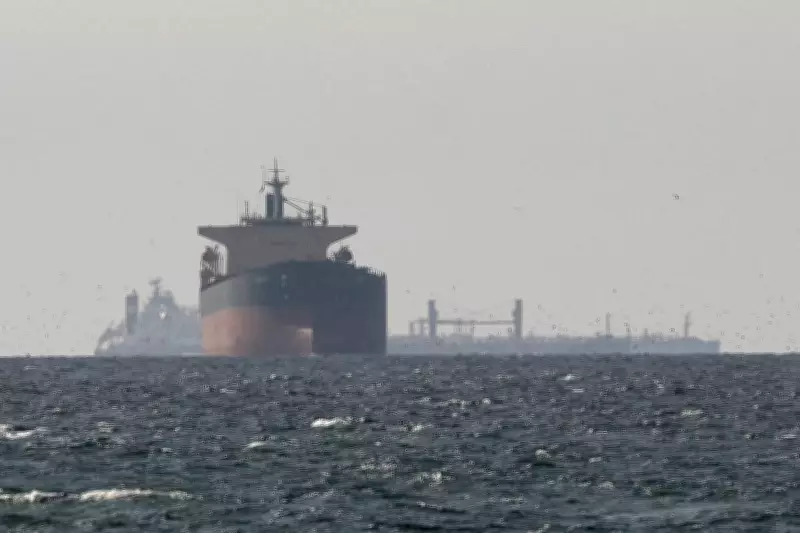
Maritime intelligence firm Windward AI reported that traffic through the Strait of Hormuz is "near collapse," with only 16 AIS-visible crossings recorded in the past week. Vessels are being rerouted through Iran's territorial waters under stringent controls, while Gulf energy exports continue to decline, with crude and LPG flows at recent lows.
The International Energy Agency's director, Fatih Birol, warned that the global economy faces a "major, major threat" worse than the 1970s oil crises, citing losses of 11 million barrels of oil per day and 140 billion cubic metres of gas. He noted that at least 40 energy assets in the region have been severely damaged, prompting consultations on releasing additional oil stockpiles.
Israeli Strikes and Escalating Military Actions
Israel has launched a wide-scale wave of strikes targeting infrastructure in Tehran, with explosions reported across the Iranian capital. An airstrike in Urmia flattened residential buildings, and a separate attack on a radio station in Bandar Abbas killed at least one person. These actions coincide with the approaching deadline of Trump's ultimatum, heightening regional instability.
In a Truth Social post, Trump declared the "death of Iran" and criticized the Democratic Party, claiming victory despite ongoing hostilities. Meanwhile, a CBS News and YouGov poll revealed that 68% of Americans are more confused about the war's goals now than when it began, with disapproval of Trump's actions widespread, though Republicans view it more positively.
Economic Impacts and Market Reactions
Goldman Sachs has raised its 2026 oil price forecasts, citing extended disruptions in the Strait of Hormuz. Brent crude is now projected to average $85 a barrel, with potential spikes to $135 in a worst-case scenario. Gas prices in the U.S. have soared to a national average of $3.91, with predictions they could hit $4 per gallon and remain high until summer.
Iran is reportedly charging tankers $2 million to pass through the strait, as lawmaker Alaeddin Boroujerdi described this as a demonstration of Iran's strength. The State Department has issued a global warning for Americans, especially in the Middle East, to "exercise increased caution" amid the escalating crisis.