Hong Kong Police Granted Sweeping Powers to Demand Electronic Device Passwords
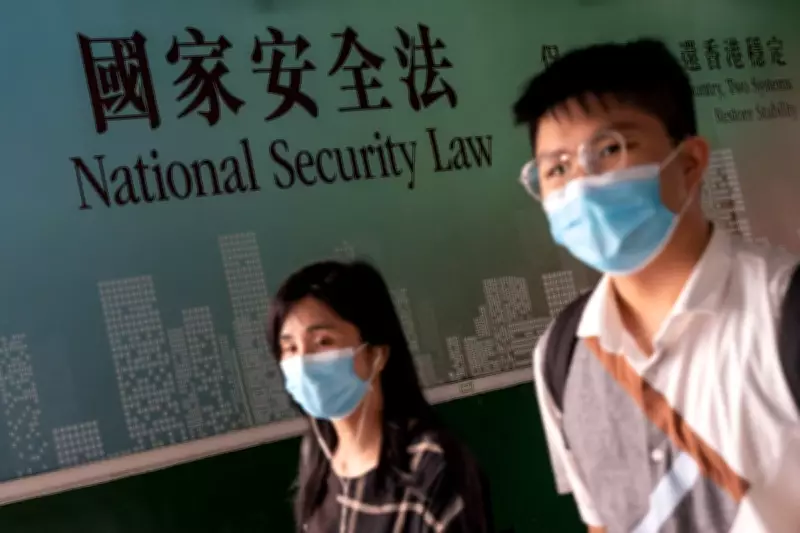
Hong Kong authorities have implemented controversial new regulations granting police officers the authority to demand passwords for phones and computers from individuals suspected of violating the city's national security law. The government enacted these amendments on Monday using powers that bypassed Hong Kong's legislative council, significantly expanding law enforcement capabilities in the digital realm.
Expanded Enforcement Powers Under National Security Framework
The newly implemented rules empower police officials to compel suspects to decrypt their electronic devices and provide "any reasonable and necessary information or assistance" during investigations. These provisions form part of a bylaw under the comprehensive national security legislation originally introduced in 2020, which was designed to address widespread pro-democracy protests that had shaken the territory the previous year.
Under the amended regulations, failure to comply with police demands for device access could result in penalties of up to one year imprisonment and fines reaching HK$100,000 (approximately £9,600). Those who provide authorities with "false or misleading information" face even stiffer consequences, with potential jail terms extending to three years.

Legal Experts Decry 'Grossly Disproportionate' Measures
Legal analysts and human rights advocates have strongly criticized the expanded powers as excessive and fundamentally damaging to civil liberties. Urania Chiu, a UK-based law lecturer specializing in Hong Kong legal matters, stated that the provisions "infringed on fundamental liberties, including the right to privacy in communications and the right to a fair trial."
"The sweeping powers given to law enforcement officers without any need for judicial authorisation are grossly disproportionate to any legitimate aim the bylaw purports to achieve," Chiu emphasized, echoing concerns raised by multiple legal observers about the absence of judicial oversight mechanisms.
Broader Implications for Asset Seizure and Foreign Agent Designations
The regulatory changes extend beyond digital device access to include significant expansions of asset seizure authority. Customs officers now possess the power to freeze or confiscate assets suspected of connections to national security crimes, including "articles that have seditious intention." Previously, such authority was restricted to the secretary for justice, the secretary for security, and the police force.
Additionally, the maximum penalty for individuals designated as "foreign agents" who fail to disclose information requested by authorities has been doubled from six months to one year imprisonment. This enhancement reflects the government's increasingly stringent approach to perceived external influences on Hong Kong's political landscape.
Government Justification and Implementation Context
The Hong Kong government defended the amendments as necessary measures to ensure that "activities endangering national security can be effectively prevented, suppressed and punished, while at the same time the lawful rights and interests of individuals and organisations are adequately protected." Officials further asserted that the new rules align with both the city's mini-constitution and international human rights protections.
These developments occur against a backdrop of heightened national security enforcement. According to Security Bureau statistics, 386 individuals have been arrested for national security crimes to date, with 176 people and four companies convicted under the legislation. The most prominent conviction involved media tycoon Jimmy Lai, who received a 20-year prison sentence in February for collusion with foreign forces and sedition—a case that generated substantial international criticism.
The national security law itself, which targets secession, subversion, terrorism, and collusion with foreign organizations, has faced widespread condemnation as draconian and far-reaching since its implementation. Critics argue it has fundamentally reshaped Hong Kong's legal environment and eroded the territory's previously robust protections for civil liberties and judicial independence.