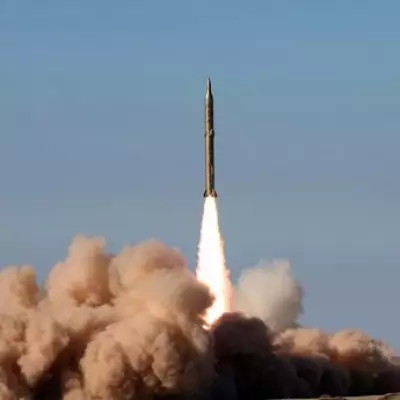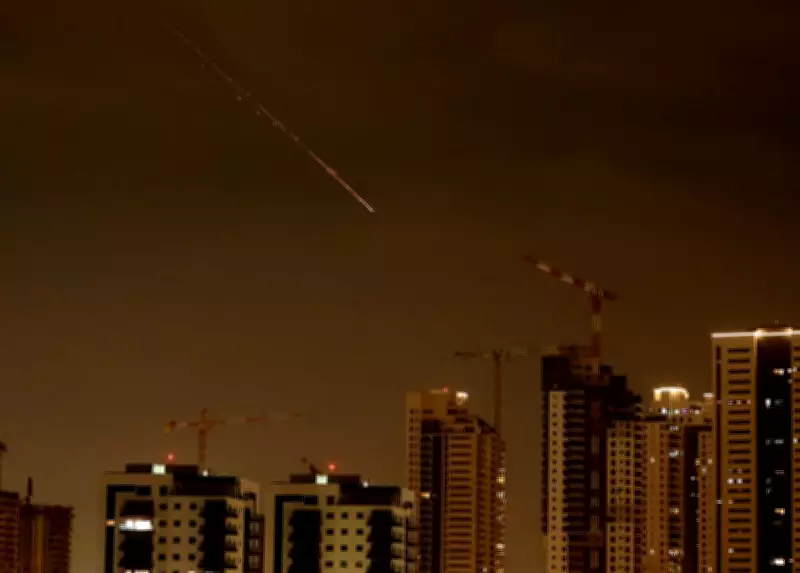
Iran's defence council has issued a stark warning that any military assault on its coastal territories or islands will result in the mining and complete closure of the entire Persian Gulf. According to a statement released by the Fars news agency, this action would mirror the ongoing blockade of the Strait of Hormuz, creating a prolonged crisis for maritime traffic.
Iran's Military Response to Potential Attacks
The statement detailed that in the event of an enemy attack, Iran would deploy various types of naval mines, including floating mines launched from coastal positions. This strategy aims to sever all access routes and communication lines across the Persian Gulf, effectively transforming the entire region into a hazardous zone similar to the currently restricted Strait of Hormuz.
Escalating Tensions in Global Energy Markets
Iran has already permitted select friendly nations, such as China, India, and Pakistan, to secure safe passage for their vessels through the strait. However, for other countries, the waterway has been effectively shut down due to reported Iranian attacks on ships and alleged mine-laying activities. This disruption has triggered a significant crisis in global energy markets, with oil prices soaring as a direct consequence.

US Considerations and Trump's Ultimatum
In response to the escalating situation, the United States is reportedly evaluating plans to occupy or blockade Iran's strategically vital Kharg Island. This move would aim to pressure Tehran into reopening the crucial waterway, marking a substantial escalation in the ongoing US-Israeli conflict with Iran.
Adding to the tension, US President Donald Trump issued a severe warning late on Saturday. Facing domestic pressure over rising oil prices, Trump stated that the US would "obliterate" Iranian power plants if the Strait of Hormuz is not reopened before a 48-hour deadline, set for 23:44 GMT on Monday according to his Truth Social post.
Implications for Regional Stability
The Iranian defence council emphasized that the responsibility for any such blockade would rest squarely with the threatening party. This development underscores the fragile state of regional stability, with the potential for a full-scale closure of the Persian Gulf posing severe risks to international trade and energy security. The situation remains highly volatile, with global leaders closely monitoring the escalating rhetoric and military posturing.