Iran's Global Threat: Map Reveals Holiday Hotspots Within Missile Range
Iran has issued a stark warning that it could target tourist sites and recreational areas across the globe, as a newly published map illustrates the extensive reach of its missile capabilities. This alarming declaration follows heightened tensions in the Middle East, with the United States and Israel engaged in military actions against Tehran.
Military Spokesperson Issues Ominous Warning
General Abolfazl Shekarchi, Iran's top military spokesperson, stated on Friday that "parks, recreational areas and tourist destinations" worldwide would not be safe for the country's enemies. This threat underscores a significant escalation in rhetoric, as Iran responds to what it perceives as aggression from the US and Israel.
Missile Strike Attempt and Capabilities Assessed
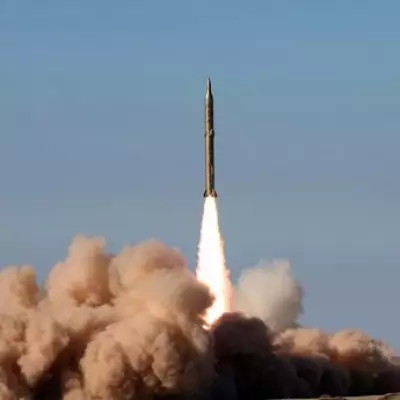
On the same day as the warning, two Iranian missiles were launched toward the joint US-UK military base on Diego Garcia, located approximately 2,500 miles away in the Indian Ocean. Defence Secretary John Healey confirmed that one missile failed and the other was intercepted and shot down.

While the exact type of missiles used remains unclear, defence analyst Sidharth Kaushal from the Royal United Services Institute suggested to the BBC that it might have been a variant of Iran's Khorramshah missile. This weapon is believed to be based on a North Korean design and has an estimated range exceeding 1,200 miles.
Map Details Countries Within Potential Strike Range
According to reports from the Express, a map has been created showing countries situated within a 1,200-mile radius of Iran. Iranian missiles are generally assessed to have ranges between 1,240 and 1,860 miles, with some Israeli estimates suggesting they could reach up to 2,485 miles.
Countries within the 1,200-mile range include:
- United Arab Emirates (UAE)
- Cyprus
- Egypt
- Turkey
- Israel
- Lebanon
- Syria
- Iraq
- Turkmenistan
- Saudi Arabia
- Yemen
- Oman
- Afghanistan
- Tajikistan
- Uzbekistan
- Kyrgyzstan
- Georgia
- Pakistan
- Russia
- Kazakhstan
- Jordan
- Kuwait
- Bahrain
- Qatar
- Ukraine
Escalating Conflict and Human Cost
The threats come amid a devastating conflict that has resulted in significant casualties. Since February 28, more than 1,500 people in Iran have been killed in strikes attributed to the US and Israel. In Lebanon, over 1,000 people have died in Israeli strikes, with the Lebanese government reporting that more than one million individuals have been displaced.
UN peacekeepers in southern Lebanon have documented "intense gunfire and explosions" as Israeli ground forces engage with Hezbollah militants. Additionally, fifteen people have been killed in Israel, and thirteen US service members have lost their lives in combat, along with numerous civilians in the Gulf region.
Diplomatic Developments and Denials
In a recent development, former US President Donald Trump claimed on Truth Social that his country and Iran had engaged in "productive conversations" regarding a "complete and total resolution" to the Middle East war. Multiple outlets reported that Trump's special envoys, Steve Witkoff and Jared Kushner, were involved in negotiations with Iran's parliament speaker, Mohammad-Bagher Ghalibaf.
However, Ghalibaf vehemently denied these reports, labelling them as "fake news." He asserted that no negotiations had taken place with the US, accusing such claims of being used to manipulate financial and oil markets and to divert attention from the challenging situation facing the US and Israel.
The situation remains highly volatile, with Iran's threats against tourist destinations adding a new dimension to the ongoing geopolitical tensions. Travellers and governments in the listed regions are advised to stay informed as developments unfold.