Iran Delivers Ultimatum to Trump, Threatens Regional Oil Supply After Peace Talks Collapse
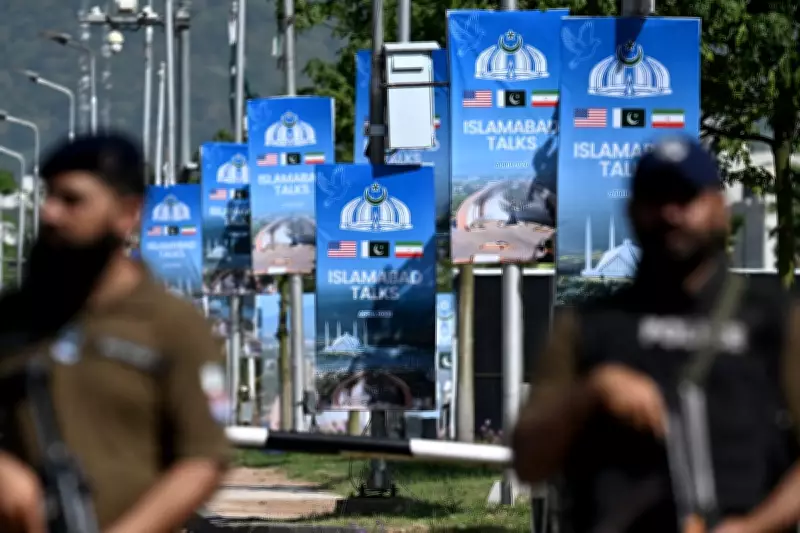
Iran has issued a stark ultimatum to former President Donald Trump and threatened Middle Eastern oil supplies following the derailment of crucial peace negotiations. The Islamic Republic is refusing to dispatch negotiators to Pakistan for a second round of talks until the United States lifts its naval blockade of the strategically vital Strait of Hormuz, according to two Middle East officials who spoke to Politico.
Ceasefire Deadline Looms as Stalemate Intensifies
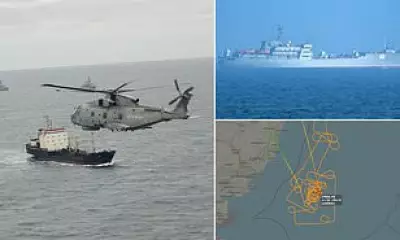
This defiant refusal has prompted the US to suspend Vice President JD Vance's planned diplomatic trip to Pakistan. A tense stalemate has emerged between the two nations mere hours before their war ceasefire is scheduled to expire. Iran has accused the United States of violating the existing ceasefire agreement by boarding an Iranian oil tanker in the region.
Trump, who has expressed hope for achieving a "great deal" through diplomacy, has simultaneously declared he will not extend the ceasefire. The former president insisted the US military remains "raring to go," with bombing campaigns set to resume immediately if a comprehensive agreement is not reached by the impending deadline.

Iranian General Warns of Catastrophic Consequences for Oil Production
General Majid Mousavi, the aerospace chief for Iran's powerful Revolutionary Guard, delivered a grave warning through state media channels. He stated it would be a profound miscalculation for any nation to carry out "aggression" against Iranian territory.
The general explicitly threatened that the region's critical oil facilities would suffer severe damage if neighboring countries permit the United States to utilize their military bases and infrastructure to launch attacks against Iran. "If southern neighbors allow the enemy to use their facilities to attack Iran, they should say goodbye to oil production in the Middle East region," Mousavi declared. The United States maintains numerous military bases and thousands of troops across several Gulf nations.
Broader Implications for Global Energy Markets and Regional Stability
This escalating confrontation carries significant ramifications far beyond bilateral relations. The Strait of Hormuz serves as a crucial maritime chokepoint through which approximately one-fifth of the world's oil supply transits. Any sustained disruption or military conflict in this area could trigger immediate volatility in global energy markets and potentially lead to substantial price increases.
The breakdown in negotiations and the exchange of military threats underscore the fragile nature of the temporary ceasefire. With both sides adopting increasingly uncompromising positions, the path to a peaceful resolution appears increasingly narrow as the expiration of the ceasefire agreement draws near.