Iran Issues Dire Warning Over UK's Decision to Allow US Strikes from British Bases
Tehran has issued a chilling warning that British lives are now "in danger" following Sir Keir Starmer's decision to grant the United States permission to launch strikes against Iranian missile sites from UK military bases. This significant escalation in the ongoing conflict over the strategic Strait of Hormuz has sparked intense political debate and international concern.
Expanded US Military Access Granted by UK Government
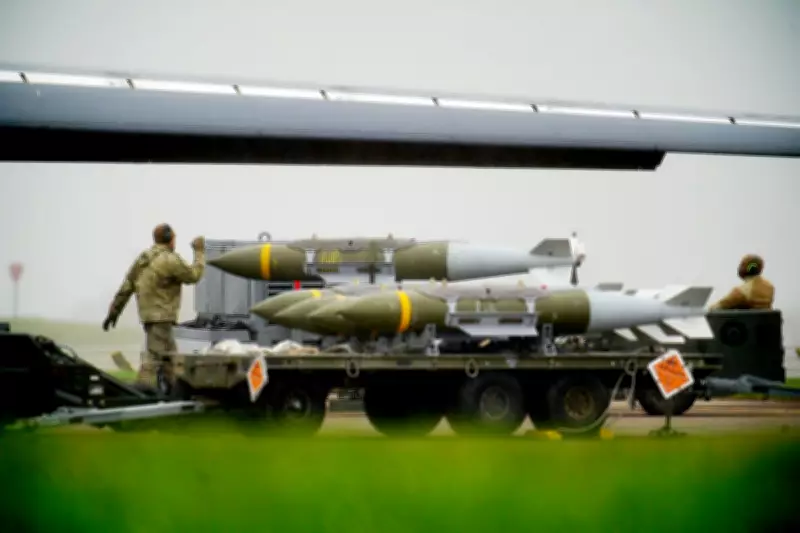
Ministers agreed to the controversial move on Friday afternoon, marking a substantial shift in policy. Previously, the UK had limited American forces to using British bases only for defensive actions against missile sites that directly threatened British interests in the region. The expanded permission now allows offensive operations from RAF Fairford in Gloucestershire and the remote Diego Garcia base in the Indian Ocean.
US President Donald Trump expressed frustration with the timing of the UK's decision, stating that Britain "should have acted a lot faster" in granting this military access. The American leader has been applying considerable pressure on NATO allies throughout the crisis, previously describing nations refusing to provide warships to help reopen the vital Strait of Hormuz as "cowards."

Iranian Response and Right to Self-Defence Asserted
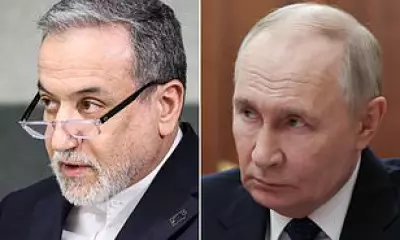
Iranian Foreign Minister Abbas Araghchi delivered Tehran's stern response through social media platform X, declaring that "Iran will exercise its right to self-defence." In his statement, Araghchi claimed that "the vast majority of the British People do not want any part in the Israel-US war of choice on Iran" and accused Sir Keir Starmer of "ignoring his own People" and "putting British lives in danger by allowing UK bases to be used for aggression against Iran."
The Iranian minister's warning represents the most direct threat to British citizens since tensions began escalating in the region, raising serious questions about potential retaliation against UK interests both domestically and internationally.
Domestic Political Fallout and Criticism
The decision has triggered significant political controversy within the United Kingdom. Conservative leader Kemi Badenoch described Sir Keir's policy shift as the "mother of all U-turns" in her own social media post, highlighting what she perceives as inconsistent leadership on national security matters.
Meanwhile, both the Liberal Democrats and the Green Party have demanded that any further permission for American use of British military installations must first be subject to a parliamentary vote, arguing that such consequential decisions require proper democratic scrutiny and oversight.
Strategic Considerations and Regional Tensions
Defence sources have emphasized the extreme danger of the current situation, noting that few nations would be willing to position warships "in the middle of that threat right now." The Strait of Hormuz remains a critical global shipping lane through which approximately one-fifth of the world's oil passes, making its security a matter of international economic significance.
President Trump addressed the strategic situation on his Truth Social platform, stating that the Strait "will have to be guarded and policed" by "other Nations who use it – The United States does not!" He added that while America would assist allied nations in their Hormuz security efforts if requested, such measures "shouldn't be necessary once Iran's threat is eradicated."
Upcoming Government Response and Cost of Living Concerns
Sir Keir Starmer is scheduled to convene a COBRA emergency committee meeting next week to discuss government plans to assist households struggling with the rising cost of living exacerbated by the regional conflict. The Prime Minister faces the dual challenge of managing national security threats while addressing domestic economic pressures resulting from the international crisis.

President Trump offered additional commentary on the military situation, suggesting that operations against Iranian threats would be "an easy Military Operation" for allied forces and indicating that the United States was "getting very close to meeting our objectives" while considering "winding down our great Military efforts in the Middle East with respect to the Terrorist Regime of Iran."
The expanded military cooperation between the UK and US represents a significant development in the ongoing Middle East conflict, with potentially far-reaching consequences for British security, international relations, and regional stability in one of the world's most strategically important waterways.