Iranian Foreign Minister Issues Stark Warning to UK Over US Military Base Access
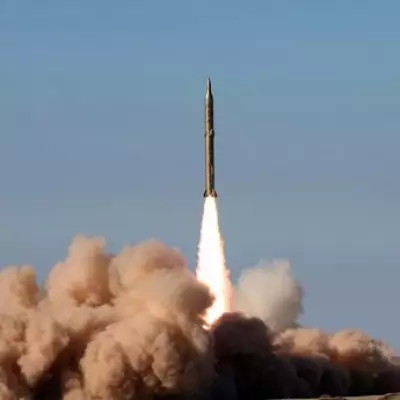
Iran's foreign minister, Abbas Araghchi, has delivered a forceful warning to the United Kingdom, stating that Tehran views Britain's decision to permit American forces to utilise British military installations as direct "participation in aggression." This stern message was conveyed during a telephone conversation with UK Foreign Secretary Yvette Cooper, highlighting escalating diplomatic tensions amidst the ongoing Middle East conflict.
Criticism of Britain's 'Negative and Biased Approach'
In his communication, Mr Araghchi explicitly criticised what he termed the "negative and biased approach of Britain" concerning the joint United States and Israeli military operations targeting Iran. The Iranian diplomat further condemned the UK's specific authorisation for American forces to employ RAF Fairford in Gloucestershire and the strategic Diego Garcia base in the Indian Ocean for what has been described as "defensive" actions against Iranian missile facilities.
In a subsequent post on Telegram, published in Farsi, Mr Araghchi detailed his exchange with Ms Cooper, stating: "These actions will definitely be considered as participation in aggression and will be recorded in the history of relations between the two countries. At the same time, we reserve our inherent right to defend the country's sovereignty and independence."

Geopolitical Context and Economic Ramifications
The diplomatic warning arrives against a backdrop of heightened regional instability. Iran has implemented a throttling of the critical Strait of Hormuz shipping route and executed attacks on energy infrastructure across the Gulf, actions that have significantly amplified global anxieties regarding the security of fossil fuel supplies. These developments have directly influenced volatile energy markets, with oil and gas prices experiencing sharp fluctuations.
Financial markets witnessed a degree of calming at the week's end, following a statement from Israeli Prime Minister Benjamin Netanyahu indicating a temporary halt to further assaults on Iran's gas fields, a move requested by former US President Donald Trump. This pause came after Iranian retaliatory measures had previously sent global oil prices soaring.
Domestic Cost-of-Living Pressures Intensify
Prime Minister Sir Keir Starmer has openly acknowledged the severe cost-of-living pressures confronting British households, pressures that are being exacerbated by the international crisis. Sir Keir has argued that the prolonged duration of the Middle East conflict correlates directly with a greater impact on domestic living expenses, advocating for a negotiated settlement with Iran as the optimal path forward.
In a statement ahead of community engagement initiatives, Sir Keir said: "I know how much pressure rising costs can put on families here in the South East and beyond – especially when there is uncertainty on the global stage. That's why this Government is acting to protect household budgets, keep everyday costs down and provide reassurance at home."
Bank of England Highlights Strait of Hormuz Cruciality
Adding to the economic discourse, Bank of England Governor Andrew Bailey emphasised that resolving the blockade of the Strait of Hormuz is paramount to stabilising the economic situation. Following the Monetary Policy Committee's decision to maintain interest rates at 3.75%, Mr Bailey indicated that further rate cuts were not imminent and warned that the Middle East war is likely to drive up household energy costs during the summer months and exert additional pressure on food prices.
Mr Bailey stated plainly: "The duration of this problem is crucial. Frankly, reopening the Strait of Hormuz is the best thing to do. Get the energy market back on its normal footing." He stressed that monetary policy alone cannot solve the underlying geopolitical disruption.

Recent Escalations and Government Response
The situation remains fluid, with Iran intensifying strikes on energy sites across Gulf states. Most recently, Kuwait reported that its Mina Al-Ahmadi oil refinery was struck by Iranian drones, resulting in a significant fire. These actions represent a continued escalation following Israeli bombing of Iran's South Pars offshore gas field earlier in the week.
Meanwhile, the UK government has implemented several measures aimed at mitigating the domestic financial impact, including:
- A £53 million support package for low-income households reliant on heating oil.
- A freeze on rail fares and prescription charges.
- A new £99 million investment in flood protection schemes for the South East region.
Despite these efforts, the Prime Minister's focus on alleviating living costs faces persistent challenges as geopolitical turmoil continues to dominate the political and economic landscape, threatening to undermine plans for financial relief for British citizens.