Iran's Revolutionary Guard: From 1979 Revolution to EU Terrorist Designation
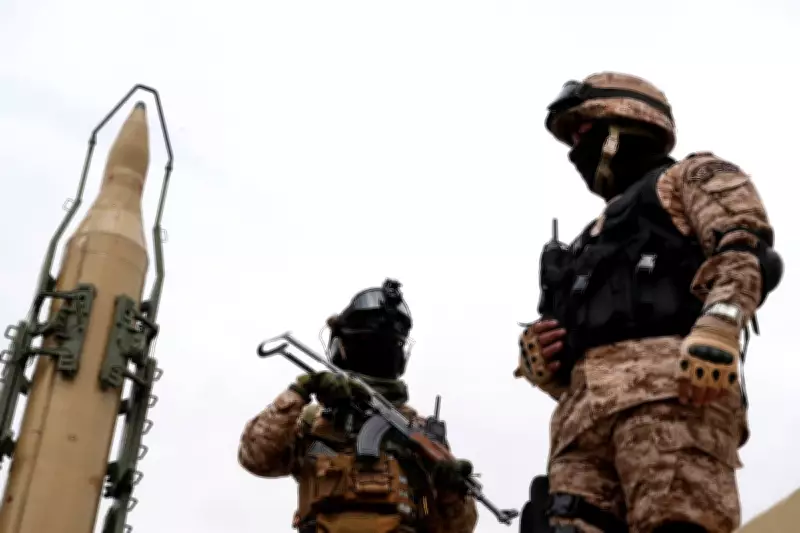
The European Union has taken the significant step of designating Iran's powerful paramilitary Revolutionary Guard as a terrorist organisation this week. This move comes in direct response to the force's brutal role in suppressing nationwide protests across Iran earlier this month. The Guard, which answers solely to Supreme Leader Ayatollah Ali Khamenei, has evolved into a formidable entity within Iran's theocracy, overseeing the country's ballistic missile arsenal and being linked to numerous attacks overseas.
Born from Revolution: The Guard's Origins and Expansion
The Islamic Revolutionary Guard Corps (IRGC) emerged from Iran's 1979 Islamic Revolution as a force specifically created to protect the country's Shiite cleric-overviewed government. Its role was later enshrined in Iran's constitution, operating parallel to the nation's regular armed forces. The Guard grew substantially in prominence and power during the devastating eight-year war with Iraq throughout the 1980s.
Following the conflict, when the force faced potential disbandment, Supreme Leader Ayatollah Ali Khamenei granted it extensive powers to expand into private enterprise. This decision allowed the IRGC to thrive economically, with the force now running a massive construction company called Khatam al-Anbia alongside numerous other firms involved in road building, port management, telecommunication networks, and even medical services like laser eye surgery.
Foreign Operations and the "Axis of Resistance"
The Guard's expeditionary Quds Force has been instrumental in creating what Iran describes as its "Axis of Resistance" against Israel and the United States. This network has involved backing Syria's former President Bashar Assad, Lebanon's militant Hezbollah group, Yemen's Houthi rebels, and various other regional groups. The force's influence expanded significantly following the U.S.-led invasion of Iraq in 2003.
According to U.S. officials, the Guard trained Iraqi militants in manufacturing and deploying particularly deadly roadside bombs against American troops. The Quds Force, alongside Iranian intelligence agencies, is believed to have hired criminal gangs and other operatives to target dissidents and Iran's perceived enemies abroad. Since the latest Israel-Hamas war began, Israel has arrested citizens accused of receiving orders from Iran to conduct surveillance or vandalism, though Iran has denied involvement in these plots.
Intelligence Operations and Regional Influence
The Revolutionary Guard operates its own intelligence services, which have been behind numerous arrests and convictions of dual nationals and individuals with Western ties on espionage charges in closed hearings. Western nations have described Iran as using these prisoners as bargaining chips in negotiations, particularly concerning its nuclear program.
The Guard is also believed to be heavily involved in smuggling operations throughout the Middle East, further extending its regional influence and economic reach beyond Iran's borders.
Recent Challenges: War with Israel and Protest Crackdowns
The Guard's carefully constructed "Axis of Resistance" has faced its greatest challenge following the October 7, 2023, Hamas attack on Israel that triggered the war in Gaza. Hamas is among the Palestinian militant groups backed by Iran. While Israel continues battling Hamas in Gaza, it has simultaneously targeted other Iranian-backed groups, significantly weakening Hezbollah and repeatedly striking the Houthis in Yemen.
In December 2024, Syria's Assad government fell, removing a key ally for Tehran and the Revolutionary Guard. Israel and Iran have exchanged missile fire, operations overseen by the Guard. In June, Israel launched a massive airstrike campaign targeting Iran that killed top generals in the Guard during its first day, throwing the force into disarray. Israeli attacks also destroyed ballistic missile sites, launchers, and Guard-manned air defense systems.
Domestic Control: The Basij and Protest Suppression
Within Iran, one of the primary mechanisms the theocracy uses to suppress demonstrations is through the Basij, the Guard's all-volunteer arm. Videos from protests that began on December 28 show Basij members armed with long guns, batons, and pellet guns. Their forces have been documented beating protesters and chasing them through streets. One prominent Basij commander even appeared on state television warning parents to keep their children at home while calling for force members to assemble and put down demonstrations.
The European Union's terrorist designation represents a significant international response to the Revolutionary Guard's domestic repression and foreign operations, though its practical impact on the force's activities remains to be seen.