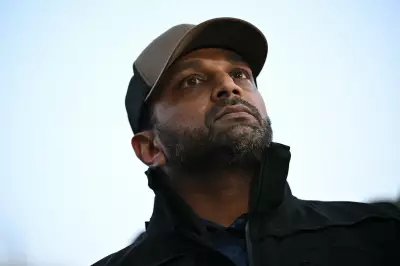
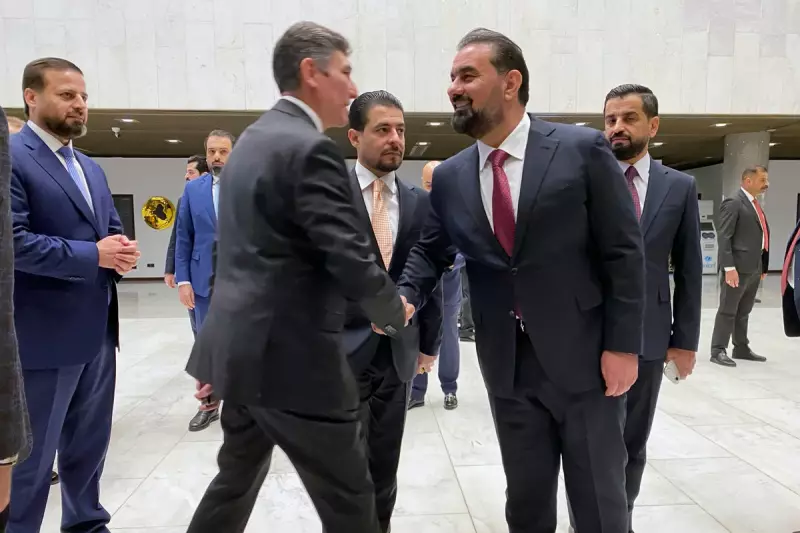
Iraq's parliament has broken a significant political impasse, electing a new speaker after intense overnight negotiations aimed at resolving a governmental stalemate.
A Vote to Break the Deadlock
On Monday, 29 December 2025, legislators gathered in Baghdad to cast their votes. Haibet Al-Halbousi emerged victorious, securing 208 votes from the 309 members of parliament who attended the session. Notably, twenty lawmakers were absent.
Al-Halbousi is a member of the Takadum, or Progress, party, which is led by his relative, the ousted former speaker Mohammed al-Halbousi. This election follows parliamentary polls held in November which failed to deliver a decisive majority for any single bloc, leading to the protracted deadlock.
The Delicate Balancing Act and Key Challenges
The new speaker assumes his role at a critical juncture for Iraq. The nation continues to walk a tightrope in its foreign policy, striving to maintain close relationships with both the United States and neighbouring Iran amidst ongoing regional tensions.
Domestically, a major and contentious piece of legislation awaits his attention. This bill concerns the future of the Hashd al-Shaabi, or Popular Mobilization Units (PMU). The PMU is an umbrella organisation for numerous Iraqi Shiite militias, many of which are backed by Iran and wield growing political influence. The proposed law would formally integrate these groups into the state's security apparatus.
Mounting Economic and Governance Pressures
Beyond the political and security challenges, Al-Halbousi's in-tray is dominated by severe economic troubles. Iraq is grappling with mounting public debt that runs into tens of billions of dollars. This financial crisis is compounded by widespread corruption, which continues to hamper economic development and public trust in institutions.
By long-standing convention, Iraq's top political posts are divided along sectarian lines: the presidency is held by a Kurd, the powerful prime minister's role goes to a Shiite, and the parliamentary speaker is a Sunni. Al-Halbousi's election upholds this tradition, but the tasks ahead are uniquely pressing.
Reporting contributions for this article came from Associated Press journalist Kareem Chehayeb in Beirut.