Iran has stated it has 'no plans to participate' in new negotiations with the United States, according to state media reports on Sunday evening. The announcement came hours after US President Donald Trump said he was sending a delegation to Islamabad for further talks, and as Iran accused the US of violating a fragile ceasefire.
The development followed the seizure of an Iranian cargo ship by US forces near the Strait of Hormuz. Trump confirmed the capture on social media, stating, 'We have full custody of their ship, and are seeing what’s on board!' Iran’s military responded by threatening retaliation, describing the action as 'armed piracy'.
The incident has cast doubt on the sustainability of the two-week ceasefire, which is set to expire on Wednesday. The US had planned to send a delegation led by Vice-President JD Vance, along with special envoy Steve Witkoff and Jared Kushner, to Pakistan for another round of talks. However, Iran’s refusal to participate has jeopardised these efforts before they could begin.

Iran’s official IRNA news agency cited 'excessive demands, unrealistic expectations, constant shifts in stance, repeated contradictions, and the continuing naval blockade' as reasons for Tehran’s absence. The war, now in its eighth week, has resulted in thousands of casualties and driven up oil prices due to the closure of the Strait of Hormuz.
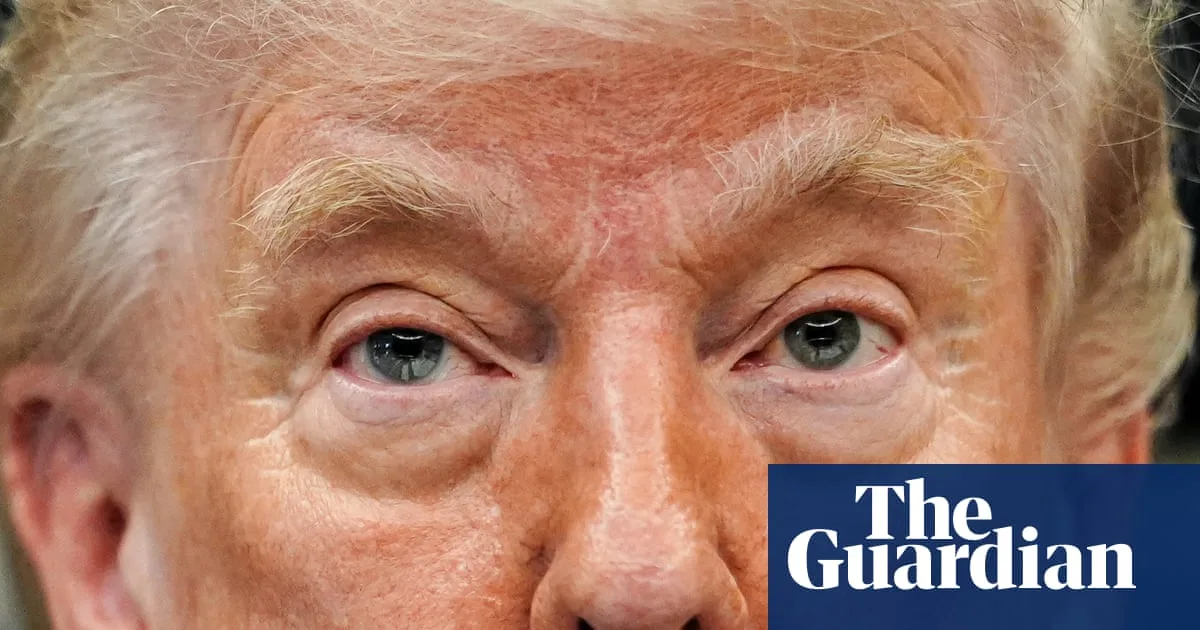
Trump reiterated his threat to destroy Iran’s infrastructure if a deal is not reached, telling Fox News, 'If Iran does not sign this deal, the whole country is getting blown up.' He described the proposed agreement as 'very fair and reasonable', but Iran’s chief negotiator, Mohammad Bagher Qalibaf, acknowledged a wide gap between the sides, while insisting there would be 'no retreat in the field of diplomacy'.
Pakistan has sought to mediate, with Deputy Prime Minister Mohammad Ishaq Dar speaking to Iran’s Foreign Minister Abbas Araghchi on Sunday. A phone call between the Iranian and Pakistani premiers is also planned. Despite the setbacks, US envoy to the UN, Mike Waltz, expressed optimism that a new round of talks could yield an 'incredibly consequential' outcome.