Israel Claims Third Senior Iranian Figure Killed in 24 Hours
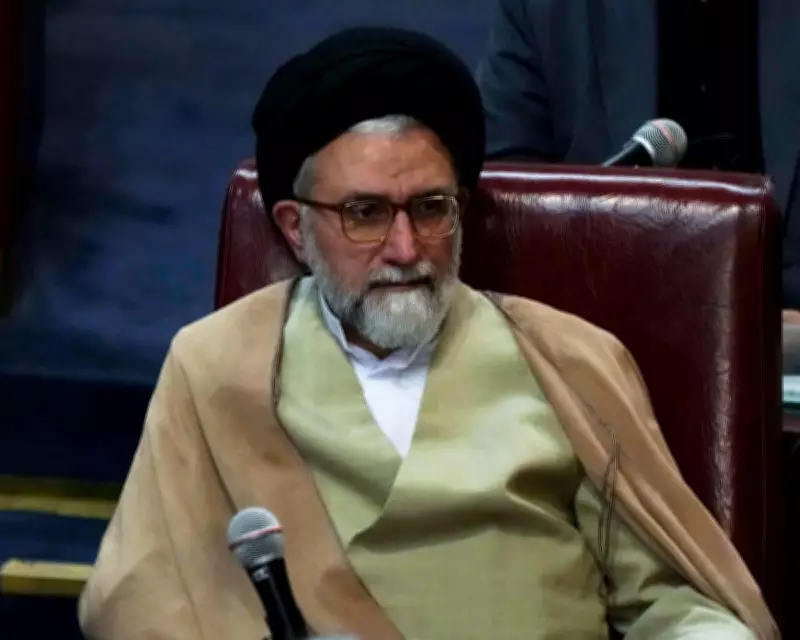
Israeli authorities have asserted that their military forces successfully eliminated Iran's intelligence minister, Esmail Khatib, during an overnight strike operation. This development represents the third high-ranking Iranian official to be reportedly killed within a single day, signaling a significant escalation in the ongoing regional conflict.
Authorization for Targeted Strikes
Israeli Defence Minister Israel Katz, who publicly announced Khatib's demise, revealed that he and Prime Minister Benjamin Netanyahu have granted the military authorization to eliminate any other senior Iranian officials identified as targets without requiring additional approval. During a security assessment, Katz declared, "On this day, significant surprises are expected across all arenas that will escalate the war we are conducting against Iran and Hezbollah in Lebanon." He further emphasized that the intensity of strikes against Iran is increasing.
Profile of the Targeted Minister
Esmail Khatib, appointed as Iran's intelligence minister in August 2021 by then-President Ebrahim Raisi, was a cleric with deep connections within Iran's security apparatus. His career included significant roles within the Islamic Revolutionary Guard Corps and the judiciary. Notably, Khatib maintained close ties with Mojtaba Khamenei, the new supreme leader and son of the late Ayatollah Ali Khamenei. The United States Treasury sanctioned Khatib in 2022 over allegations of cyber operations targeting Washington and its allies.

The Israeli military described Khatib's ministry as "the Iranian terrorist regime's primary intelligence organization" and accused it of playing a key role in supporting repression and terrorist activities. According to Israeli statements, the ministry oversaw surveillance, espionage, and covert operations worldwide, particularly against Israel and Iranian citizens. The IDF additionally claimed Khatib was instrumental in the brutal crackdown on recent anti-government protests in Iran.
Context of Previous Killings
Khatib's reported death follows the killings of two other senior Iranian figures:
- Ali Larijani, head of the supreme national security apparatus
- Gholamreza Soleimani, commander of the Basij militia
Larijani's death is particularly significant as he was considered a linchpin of Iran's political system and the most senior figure killed since Ali Khamenei. These three eliminations collectively suggest that Israel maintains detailed intelligence on the movements of Iran's leadership within Tehran and possesses the capability to act on this information with apparent precision.
Regional Escalation and Retaliation
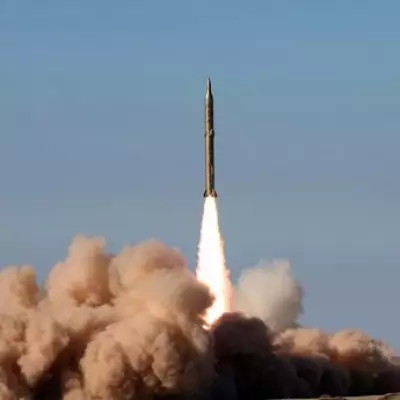
Following the deaths of Larijani and Soleimani, whose funerals were scheduled in Tehran, Iran's army chief threatened a "decisive and regrettable" retaliation. Overnight, Iran launched renewed missile and drone attacks targeting its Gulf Arab neighbours and Israel. Despite heavy Israeli and US strikes on Iranian missile infrastructure, Tehran appears to retain the ability to conduct targeted attacks.
In Israel, medical services reported that two people, a couple in their 70s, were killed in Ramat Gan, east of Tel Aviv. Israeli officials attributed these deaths to Iranian cluster munitions, which have been fired at Israel since the conflict's inception. These weapons remain highly dangerous even when intercepted, as their submunitions can disperse over urban areas and detonate on impact or remain unexploded, posing ongoing lethal risks.
Expanding Conflict to Lebanon
Simultaneously, Israeli warplanes struck central Beirut in the early hours of Wednesday, destroying apartment blocks in some of the heaviest air raids on the Lebanese capital in decades. Lebanon's health ministry confirmed at least 12 fatalities and 41 injuries from these strikes. The Israeli military announced intentions to target bridges across the Litani river in southern Lebanon to prevent Hezbollah from moving reinforcements and equipment into operational areas. Army spokesperson Avichay Adraee reiterated calls for civilians to evacuate north of the Zahrani River.

International Dimensions and Strategic Implications
The US-Israeli military campaign against Iran has now entered its third week, with at least 2,000 reported fatalities and no clear resolution in sight. The Strait of Hormuz remains largely closed, with approximately one-fifth of global oil and liquefied natural gas supplies typically passing through this vital shipping lane. US allies have resisted former President Donald Trump's calls to assist in reopening the strait.
In a post on his Truth Social network, Trump appeared to suggest that the US could "finish off" what remains of the Iranian state and then transfer responsibility for securing the Strait of Hormuz to allied countries that depend on it. This statement reflects his longstanding complaints about burden-sharing among allies.
The elimination of Esmail Khatib removes another pivotal figure from Iran's political and security establishment during a period of acute crisis. These developments underscore the rapidly escalating nature of the conflict and the sophisticated intelligence capabilities being deployed by Israel, with significant implications for regional stability and international security dynamics.