Israel's Attack on Iran's South Pars Gas Field Marks Major Escalation in Regional Tensions
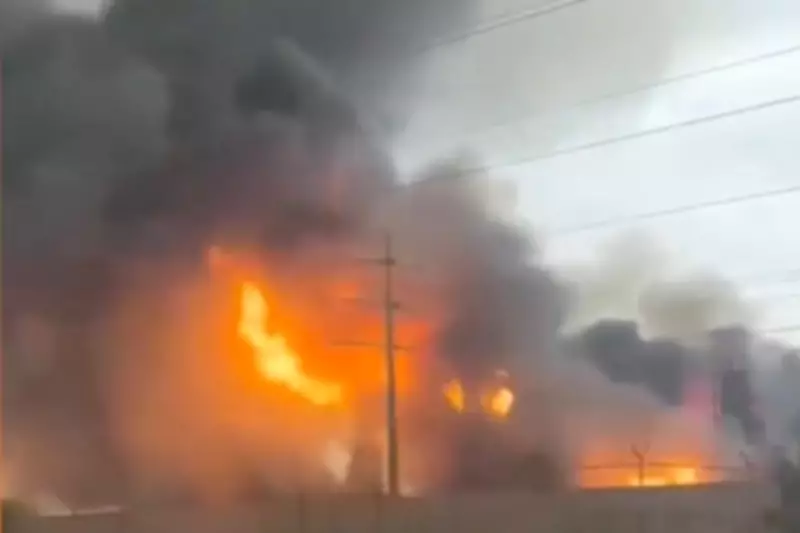
Israel has launched a significant military strike on Iran's South Pars gas field, the largest of its kind globally, triggering a sharp escalation in hostilities across the Middle East. The attack, which occurred on Thursday 19 March 2026, has drawn immediate condemnation from both Iran and Qatar, as the two nations jointly operate this critical energy asset. Flames were seen raging at the site following the assault, highlighting the severity of the incident.
Iran Retaliates with Strikes on Gulf Energy Facilities
In response to the Israeli action, Tehran swiftly retaliated by targeting multiple energy installations throughout the Gulf region. Among the sites hit was Qatar's Ras Laffan Industrial City, a major hub for liquefied natural gas production. Although the facility sustained extensive damage, initial reports indicate no casualties have been recorded. This counterstrike underscores the rapid spread of conflict to key economic infrastructure, raising alarms about broader regional stability.
Trump Issues Stark Warning to Iran Over Further Aggression
US President Donald Trump has issued a forceful warning, threatening that the United States would 'massively blow up the entirety' of Iran's South Pars gas field if Tehran launches additional attacks on Qatar. Trump asserted that Israel's initial strike on South Pars was relatively minor and claimed that Washington had no prior knowledge of the operation. This statement adds a layer of complexity to the geopolitical dynamics, potentially drawing the US deeper into the fray.

Experts Warn of Long-Term Impacts on Global Economy and Civilians
Security and energy analysts are sounding the alarm, emphasizing that targeting critical energy infrastructure, particularly liquefied natural gas facilities, represents a dangerous escalation with far-reaching consequences. They caution that the fallout could persist for years, severely affecting Iranian civilians through disrupted energy supplies and economic hardship. Moreover, the global economy faces heightened risks due to potential disruptions in energy markets and increased volatility in oil and gas prices.
Why This Attack Constitutes a Significant Escalation
The assault on South Pars is not merely a tactical move but a strategic gambit with profound implications. By striking a shared asset between Iran and Qatar, Israel has effectively widened the conflict, drawing in multiple stakeholders and threatening regional energy security. The involvement of major powers like the US, coupled with Iran's retaliatory measures, suggests that tensions could spiral further, with lasting impacts on international relations and economic stability. This incident underscores the fragile nature of energy infrastructure in conflict zones and the potential for such attacks to trigger cascading effects worldwide.