Israel's Strike on Bridge-Builder Larijani Escalates Iran Conflict
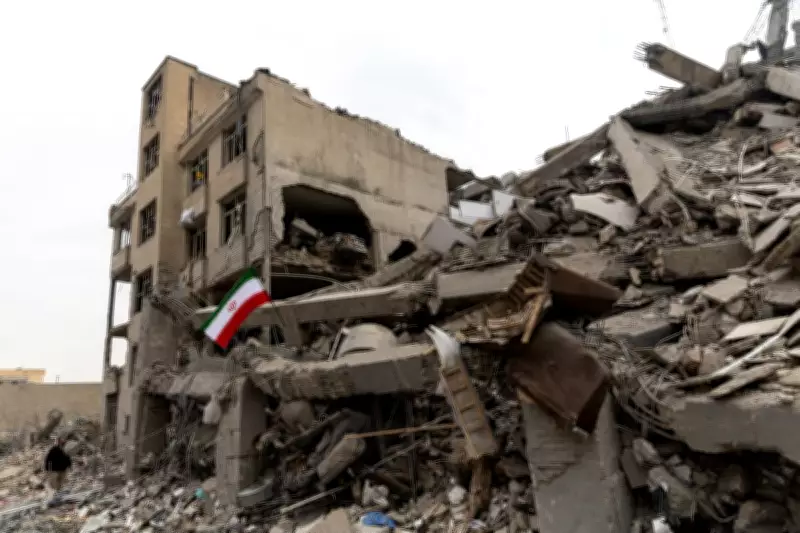
The ongoing US-Israeli bombing campaign against Iran has entered its third week, with costs mounting and objectives increasingly blurred. This destructive war, lacking a clear justification under international law, has seen Israel exacerbate tensions by assassinating Ali Larijani, Iran's top security official known for mediating between hardliners and moderates. His death undermines potential ceasefire efforts and aligns with Israeli Prime Minister Benjamin Netanyahu's apparent goal of prolonging hostilities.
Divergent Strategies and Regime Reinforcement
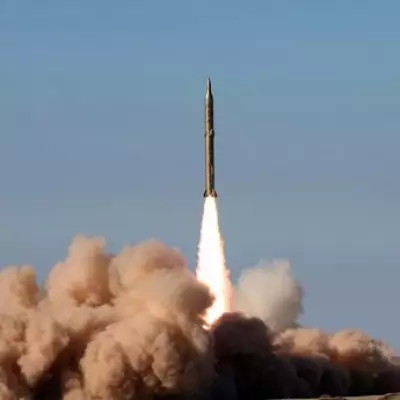
President Donald Trump's preventive war rationale, based on curbing Iran's missile and nuclear capabilities, has failed to meet UN charter standards, opening the door to endless conflict. While US and Israeli forces dominate the skies, their strategies diverge: Netanyahu seeks to keep Iran in chaos, whereas Trump aims for a regime change akin to Venezuela. However, the ferocious bombing has backfired, strengthening hardliners within Iran. After Supreme Leader Ali Khamenei was killed in an initial strike, hardliners consolidated power by selecting his son as successor, signaling continuity rather than moderation.
Elusive Military Goals and Civilian Suffering
Military achievements remain limited. Although Iran's long-range missiles have been reduced, the regime continues to deploy drones and smaller missiles, disrupting Gulf Arab states and global oil supplies via the Strait of Hormuz. Iran's nuclear program persists despite claims of obliteration, with enriched uranium potentially buried underground. Meanwhile, civilian casualties mount, exemplified by a US missile strike on a girls' school that killed 168 people, mostly students. Investigations reveal a disregard for precautions, with outdated targeting data blamed for the atrocity.

International Repercussions and Public Opinion Shift
The war's economic consequences, including soaring oil prices and inflationary pressures, are felt globally. Public opinion is turning against the US-Israeli alliance, with American support for Israel plummeting due to actions in Gaza, the West Bank, and now Iran. Trump's belligerence has alienated key democratic allies like Canada, Germany, France, and the UK, who increasingly favor China despite its own legal indifference. NATO members have rebuffed Trump's pleas for assistance in the Strait of Hormuz, highlighting diplomatic isolation.
Hope for an End to the Forever War
As the conflict drags on with poorly defined goals, the Iranian regime may claim victory simply by enduring. Trump's call for Iranians to overthrow their government ignores the bloodshed from past uprisings. With mounting costs—economic turmoil, declining markets, and electoral risks—there is growing urgency for Trump to reject Netanyahu's quest for a forever war. Declaring victory and seeking an off-ramp could prevent further devastation, though demands for unconditional surrender complicate face-saving strategies. The world watches as this disastrous war of choice continues to unfold.