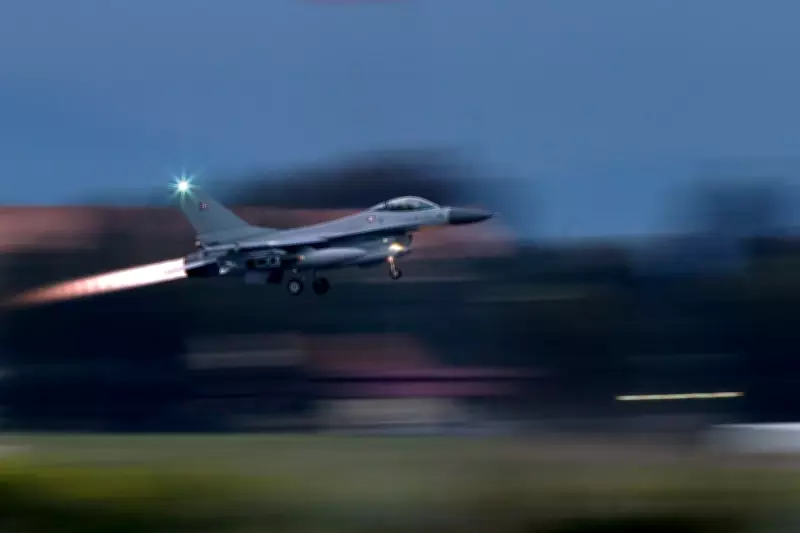
Italy has reportedly refused permission for United States military aircraft to land at a Sicilian airbase while en route to the Middle East, according to an anonymous source close to the matter. This development follows Spain's recent decision to close its airspace to American aircraft involved in military operations against Iran, marking a significant diplomatic stance by two European NATO allies.
Italy's Refusal of US Bombers
The Italian refusal, which confirms a report by the daily newspaper Corriere della Sera, concerns "some US bombers" intended for deployment in the Middle East region. The exact number of aircraft involved and the specific timing of Rome's decision remain undisclosed, as the source was not authorised to speak publicly on the issue.
Corriere della Sera further indicated that the refusal stemmed from the United States failing to seek prior authorisation and neglecting to consult Italy's military leadership. This consultation is a requirement under existing treaties governing American military installations within Italian territory, highlighting procedural breaches that have escalated tensions.

Political Reactions in Italy
The Italian defence ministry has yet to issue an official comment on the situation. However, centre-left opposition parties have been vocal in urging the government to restrict the use of US bases in Italy, aiming to prevent the nation's involvement in ongoing conflicts in the Middle East.
Prime Minister Giorgia Meloni's right-wing government has stated it would seek parliamentary authorisation should any such requests for military use be made. This move underscores the domestic political pressures surrounding foreign military engagements and the delicate balance of international alliances.
Spain's Airspace Closure
Meanwhile, Spain has taken a firmer stance by closing its airspace to American aircraft involved in military operations against Iran. Defence Minister Margarita Robles confirmed the decision on Monday, stating, "We don't authorise either the use of military bases or the use of airspace for actions related to the war in Iran."
Spanish newspaper El Pais first reported the news, citing military sources. The closure compels US military planes to reroute around the NATO member state on their way to targets in the Middle East, though it does not apply to emergency situations, according to the report.
Escalation Beyond Previous Refusals
This move marks a significant escalation beyond Madrid's previous refusal to allow the use of jointly operated military bases. Economy Minister Carlos Cuerpo addressed the decision during a radio interview, responding to questions about potential repercussions for relations with the United States.
He said, "This decision is part of the decision already made by the Spanish government not to participate in or contribute to a war which was initiated unilaterally and against international law." Spanish Prime Minister Pedro Sanchez has been a vocal critic of the US and Israeli attacks on Iran, characterising them as both reckless and illegal.
Broader Implications
The coordinated actions by Italy and Spain reflect growing European unease with military involvement in Middle Eastern conflicts. These decisions could strain diplomatic ties with the United States, while also influencing NATO's operational dynamics in the region.
As tensions persist, the refusal of airbase access and airspace closure highlight the complex interplay between national sovereignty, international law, and alliance commitments. The situation remains fluid, with further developments expected as governments navigate these challenging geopolitical waters.