Defiant Protests Mark Kosovo's 18th Independence Anniversary
Kosovo commemorated the 18th anniversary of its declaration of independence from Serbia with a significant and defiant march in the capital city of Pristina. The event, held on Tuesday, saw thousands of participants gathering to express strong opposition to ongoing war crimes trials at a Netherlands-based court targeting former fighters from the 1998-1999 separatist conflict.
Cold Weather Fails to Dampen Protest Spirit
Protesters, many draped in red and black Albanian flags, endured cold and snowy conditions in Pristina to voice their disapproval of proceedings in The Hague. The trials involve former president and rebel leader Hashim Thaci along with three other individuals accused of committing atrocities during and after the conflict that resulted in approximately 13,000 deaths.
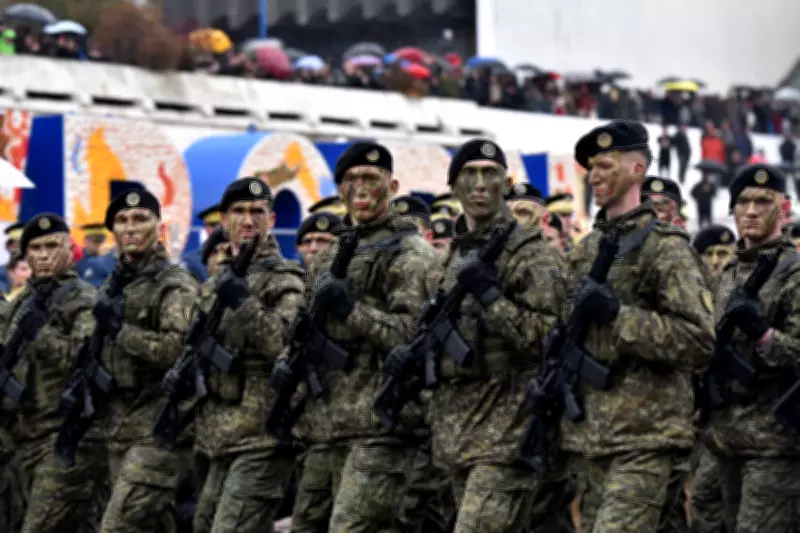
Earlier that same day, Kosovo's security forces participated in a parade through Pristina as part of official independence ceremonies, while Parliament convened for a special session dedicated to the anniversary.

Historical Context of the Kosovo Conflict
The war originated in 1998 when the rebel Kosovo Liberation Army initiated its struggle for independence, prompting Serbia to respond with a severe and brutal crackdown. The conflict concluded following a 78-day NATO bombing campaign against Serbia in 1999, which ultimately compelled Serbian forces to withdraw from the territory.
Despite Kosovo's 2008 declaration of independence, Serbia continues to refuse recognition of its sovereignty, maintaining persistent tensions throughout the volatile Balkan region. Both nations aspire to European Union membership but have been explicitly instructed that they must first normalize diplomatic relations before any potential accession.
Legal Proceedings and Political Reactions
Prosecutors at the Kosovo Specialist Chambers in The Hague—formally part of Kosovo's judicial system despite being located abroad—have requested maximum prison sentences of 45 years for Thaci and the other defendants. Thaci additionally faces a separate trial later this month concerning charges of witness intimidation.
Kosovan officials and protesters alike have condemned the legal proceedings as politically motivated, arguing they create a false equivalence with Serbia, whose political and military leaders were previously tried and convicted of war crimes in Kosovo by a separate United Nations court.
During Tuesday's march, protesters displayed banners with messages such as “History cannot be rewritten” and “Freedom for the liberators.” They surrounded a prominent independence monument with metal fences and placed a sign reading “Kosovo in Prison” atop the structure.
Official Statements from Kosovo Leadership
President Vjosa Osmani issued a statement asserting that “truth cannot be changed by attempts to rewrite history or to tarnish and devalue the struggle of Kosovo's people for freedom.” Prime Minister Albin Kurti further emphasized that “the KLA-led war was pure, liberation (struggle) and an anti-colonial war ... a just struggle of an occupied and oppressed people under apartheid.”
International Perspectives and Serbian Response
In Belgrade, a Serbian government liaison office for Kosovo described the independence declaration 18 years prior as a “flagrant violation of international law.” Their statement accused Kosovo of “systematic terror” and persecution against minority Serbs within its borders.
Internationally, the United States and most European Union countries are among over 100 nations that have formally recognized Kosovo's independence. Conversely, Russia and China have consistently supported Serbia's territorial claims over the region.

Background on Thaci and Court Establishment
Hashim Thaci resigned from office in 2020 to defend himself against ten charges of crimes against humanity and war crimes. The Kosovo Specialist Chambers and its associated prosecutor's office were established following a 2011 report by the Council of Europe, a human rights body, which investigated allegations that KLA fighters engaged in trafficking human organs harvested from prisoners and killed both Serbs and fellow ethnic Albanians. Notably, these organ harvesting allegations have not been included in the indictments issued by the court.