Global pop superstar Lady Gaga made a powerful political statement during her recent concert in Tokyo, pausing the performance to deliver a stinging condemnation of United States Immigration and Customs Enforcement (ICE).
Concert Interruption for Political Message
The 39-year-old artist halted her Mayhem Ball Tour show on Thursday, 29 January, to express what she described as profound heartbreak for people across America. She specifically mentioned children and families who she believes are facing what she termed "merciless targeting" by the controversial federal agency.
Context of Growing Public Outrage
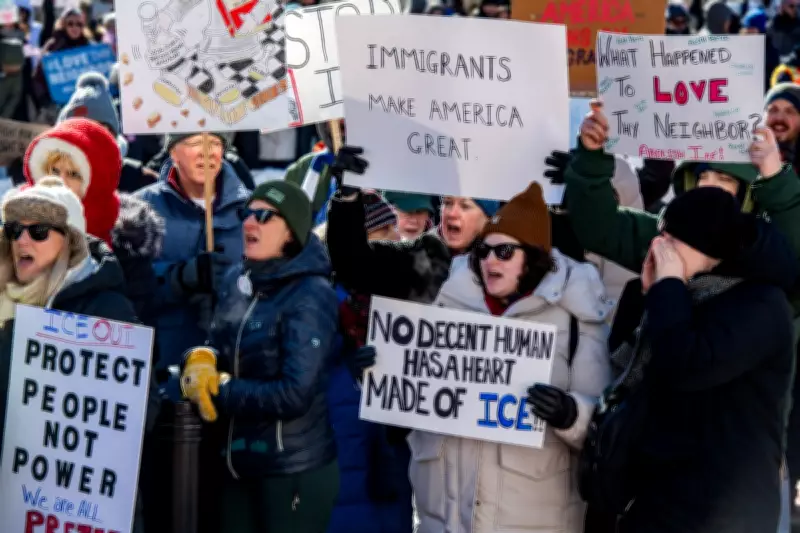
Lady Gaga's dramatic intervention comes amid escalating public anger following several high-profile incidents involving ICE agents. Most notably, the fatal shootings of individuals including Renee Good and Alex Pretti by federal agents have sparked nationwide debate about the agency's methods and accountability.

The singer's decision to use her international platform to address domestic US immigration policy represents a significant moment in celebrity activism. By choosing a concert in Tokyo – far from American soil – she underscored the global resonance of these issues.
Broader Implications of Celebrity Statements
This incident highlights the increasing willingness of major entertainment figures to engage directly with contentious political matters during their performances. Lady Gaga, known for her advocacy on various social issues, has now placed immigration enforcement firmly within her activist portfolio.
The reaction to her statement has been predictably polarized, with supporters praising her courage and critics questioning the appropriateness of political commentary during entertainment events. Nevertheless, the incident has successfully amplified discussion about ICE's operations and their human impact.
As one of the world's most recognizable musical artists, Lady Gaga's intervention ensures that debates about US immigration enforcement will reach audiences who might otherwise remain disconnected from these complex policy discussions.