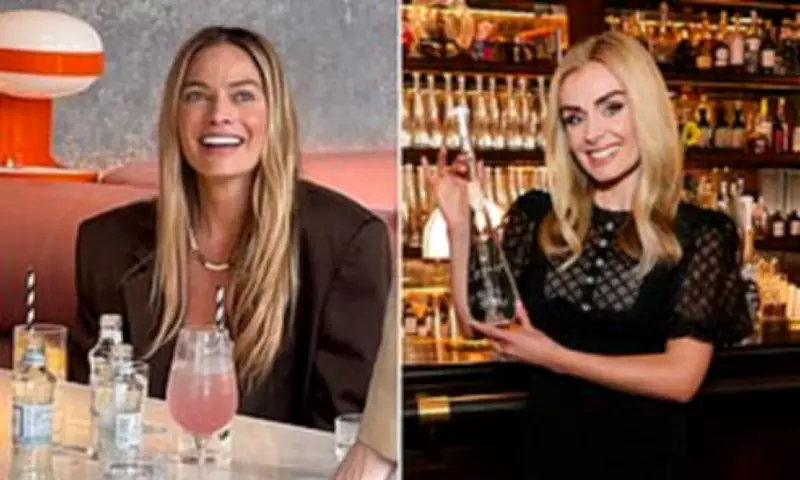
While Margot Robbie basks in the cinematic triumph of "Wuthering Heights," her foray into the spirits industry has encountered a significant hurdle. Her premium gin brand, Papa Salt Coastal Gin, priced at £40 per bottle, has been shunned by numerous high-end bars and pubs across London. The primary concern revolves around its use of oyster shells as a botanical ingredient, raising fears of potentially fatal allergic reactions among patrons with shellfish allergies.
A Question of Class and Safety
Venue managers expressed practical and reputational reservations. One restaurant manager highlighted the awkwardness, stating it was "simply not very classy" to interrogate customers about mollusc allergies when ordering a simple gin and tonic. "We are dealing with enough at the moment," they added, referencing the operational pressures facing the hospitality sector. In response to the backlash, a spokesperson for the Australian actress confirmed the gin is undergoing a reformulation. An oyster-free version is anticipated to launch by the close of 2026.
Can the Brand Recover?
The artisanal gin, conceived to evoke the sandy dunes of Robbie's Australian upbringing, now faces a critical juncture. Jonathan Kleeman, a hospitality operations specialist with experience at The Ritz, offered a sobering perspective to the Daily Mail. "For the most part, a lot of celebrity brands tend to be gimmicks, you're just selling to your fans," he remarked. He elaborated that in luxury settings, the celebrity name alone is an insufficient sales pitch. "We're meant to be showcasing the expertise and the quality of the product. It's like in Michelin-star restaurants: we don't sell a famous person's cow; we sell beef from famous farms based on its quality."

The Celebrity Gin Landscape: Classy vs. Tacky
This incident sparks a broader debate about the sustainability of celebrity-backed spirits. Brand and PR expert Chad Texeira provided his verdict on what separates enduring successes from fleeting novelties. According to Texeira, the key is whether the brand possesses an identity that extends beyond the famous name attached to it.
Case Studies in Class
Aviation American Gin (Ryan Reynolds): Acquired by liquor giant Diageo for $610 million in 2020, this brand succeeds because it "plays into Ryan's humour, but crucially never makes the product feel like a joke." The packaging is clean and credible, positioning the gin itself as the primary sell.
Beefeater: This quintessential London dry gin, retailing for £16.50, leverages its heritage. Texeira notes its branding feels "sharp and confident rather than dusty or overly traditional."
Renais Gin (Emma Watson): Launched in 2023 and made from grape skins, this £45 gin feels "true to her." Its design is thoughtful and quietly premium, aligning with Watson's public persona.
Tanqueray & The Botanist: Both are praised for self-assured, iconic branding and a strong sense of place and provenance, making them feel permanently premium.
The Gardener Gin (Brad Pitt): This £55 gin makes "the lifestyle the hero, not the name," evoking the French Riviera first and the celebrity second.
Papa Salt Coastal Gin (Margot Robbie): Despite its current troubles, Texeira initially found its branding "cool and considered," tapping naturally into Robbie's Australian roots with native botanicals like wax flower and wattleseed.
Hendrick's, Cygnet Gin (Katherine Jenkins), Bombay Sapphire & Harmony Gin (Woody Harrelson): These are all deemed classy for building distinct, credible worlds around their products, from Hendrick's cucumber-rose story to Harmony Gin's believable sustainability angle.
Case Studies in Tacky
Gordon's Gin: While massively popular, its branding feels "mass market" and lacks the "cultural cachet" of more premium competitors, despite celebrity endorsements.
Diddly Squat Farm Gin (Jeremy Clarkson): This brand is "very personality-led," feeling more like a "novelty buy" than a spirit chosen for its liquid quality.
Still G.I.N. By Dr Dre: It comes across as a "brand extension" without a strong independent identity for the gin itself.

James Gin by James May & Monkey 47: The former's inventive flavours can seem "slightly gimmicky," while the latter's complex story risks feeling "performatively premium" rather than authentically connoisseur-led.
The Final Verdict
Chad Texeira concludes that the strongest celebrity gins feel like a "natural extension" of their founder, with clear vision, considered design, and a product that stands on its own merits. Weaker offerings "lean too heavily on name recognition," which may boost initial sales but fails to build long-term credibility. "In a crowded market," he notes, "consumers are getting much better at spotting the difference." For Margot Robbie's Papa Salt, the path to recovery now depends on whether its reformulated version can embody these principles and overcome its problematic debut.