Trump's Scathing Attack on NATO Allies Over Strait of Hormuz Dispute
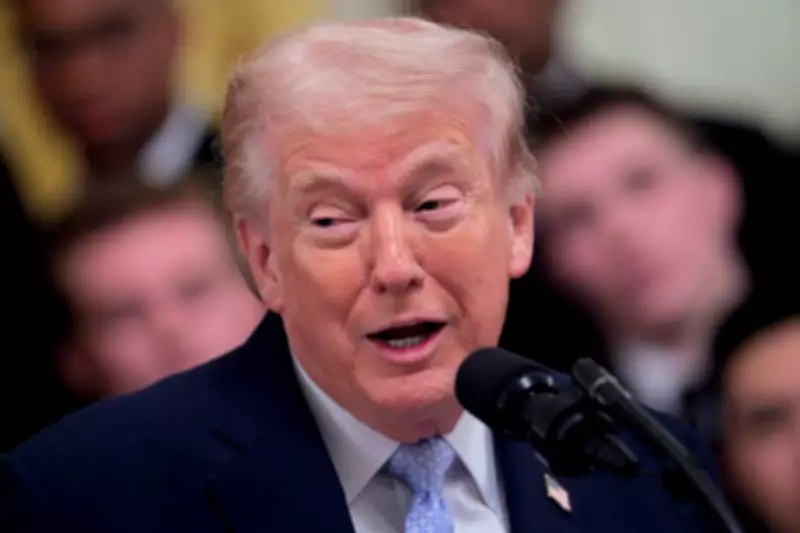
President Donald Trump has unleashed a blistering verbal assault on NATO allies, branding the alliance a "paper tiger" and accusing member nations of cowardice for their refusal to participate in a military operation to reopen the strategically vital Strait of Hormuz. The outburst, delivered via his Truth Social platform on Friday, marks the latest escalation in tensions over the ongoing conflict involving the United States, Israel, and Iran.
'Without the U.S.A., NATO IS A PAPER TIGER!'
In a characteristic social media rant, Trump raged, "Without the U.S.A., NATO IS A PAPER TIGER!" He lambasted allies for their perceived inaction, stating, "They didn't want to join the fight to stop a Nuclear Powered Iran." The president's fury stems from NATO's consistent refusal to engage in the conflict, which was initiated by the United States and Israel.
Trump's Demand for Assistance in 'Simple Military Maneuver'
Trump argued that the military situation has now shifted, claiming, "Now that fight is Militarily WON, with very little danger for them, they complain about the high oil prices they are forced to pay, but don't want to help open the Strait of Hormuz, a simple military maneuver that is the single reason for the high oil prices." He characterised the operation as "so easy for them to do, with so little risk," before concluding with a stark warning: "COWARDS, and we will REMEMBER!"

NATO Allies Stand Firm in Their Refusal
Key NATO members, including Germany and the United Kingdom, have maintained a firm stance against involvement in the Strait of Hormuz operation. Their refusal has reportedly infuriated Trump, who has been actively pressuring allies to contribute to the US-led efforts against Iran. This pressure extended to Japan during a White House visit on Thursday, where Trump sought additional support for the campaign.
The president's latest comments underscore the deepening rift between the United States and its traditional NATO partners over military strategy in the Middle East. Trump's assertion that reopening the Strait of Hormuz is a straightforward task contrasts sharply with the cautious approach adopted by European allies, who remain wary of escalating the conflict further.
This public dressing-down of NATO comes amid broader geopolitical tensions and highlights the ongoing challenges in transatlantic relations. The dispute over the Strait of Hormuz, a critical chokepoint for global oil shipments, has significant implications for energy markets and international security, with Trump directly linking allied inaction to soaring oil prices.