German Chancellor Friedrich Merz has delivered a stark assessment of the Iranian government's future, stating he believes it is in its "final days and weeks." His comments come amid a severe and ongoing crackdown on nationwide anti-government protests.
Protests and a Deadly Response
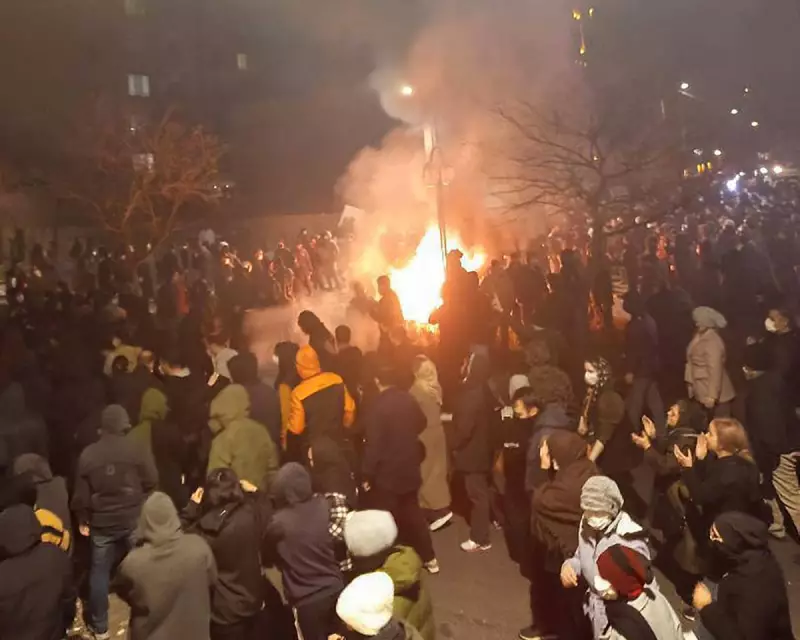
The demonstrations, which began on 28 December, were initially sparked by the collapse of the Iranian currency and widespread economic discontent. They have since evolved into one of the most significant challenges to the country's Islamic Republic in recent years.
According to the Norway-based NGO Iran Human Rights, at least 648 protesters have been killed by security forces. Thousands more have been injured. The regime's response has included mass arrests, widespread internet blackouts, and public warnings that participation in demonstrations could carry the death penalty.
International Condemnation and Statements
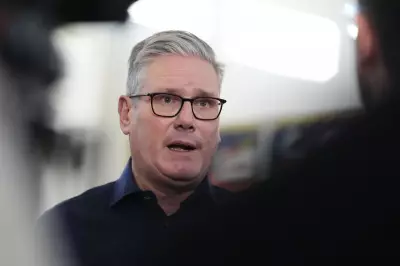
Speaking during a diplomatic visit to India, Chancellor Merz argued the Tehran regime lacks "legitimacy through elections in the population." He added a forceful conclusion: "If a regime can only keep itself in power by force, then it’s effectively at the end."
His condemnation joins that of many other world leaders. Meanwhile, the United States has ramped up economic pressure. US President Donald Trump has stated that any country trading with Iran will face a 25% tariff rate on trade with the US.
Diplomacy or Force?
While advocating a strong stance, the White House indicated diplomacy remains the preferred path. Press Secretary Karoline Leavitt told reporters that airstrikes were among the "many, many options" under consideration but stressed that "diplomacy is always the first option for the president." Trump's national security team was expected to meet to discuss the situation further.
On the ground in Iran, there were minor concessions. The Associated Press reported that as of Tuesday morning, mobile phones in Iran were able to make international calls, although heavy restrictions on internet access reportedly remained in place.
The situation remains fluid, with protestors continuing to call for the overthrow of the country's supreme leader, challenging the very foundations of the state.