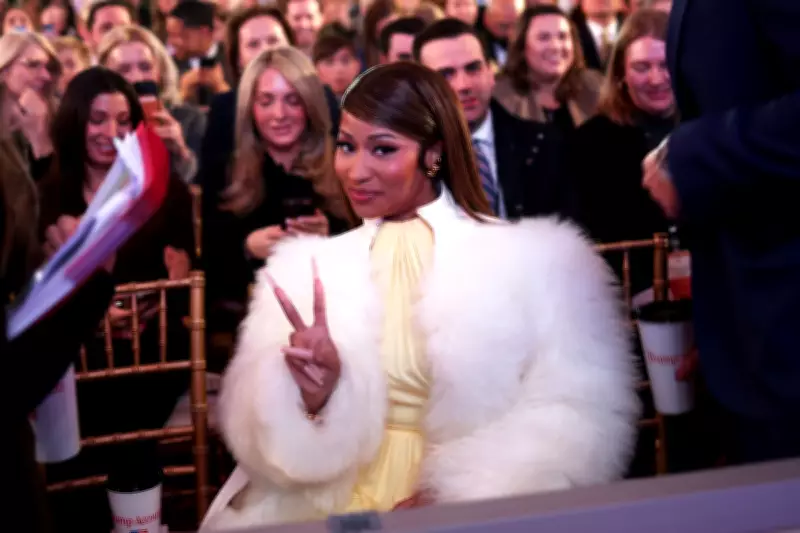
Rapper Nicki Minaj has ignited a significant backlash on social media after announcing she received a leather-bound, autographed "God Bless The USA" Bible from former US President Donald Trump. In a post on X, Minaj described the item as one of the most meaningful gifts she has ever received, sparking widespread criticism from users who labelled the product as religiously offensive and a mockery of faith.
The Controversial Trump Bible
The "God Bless The USA" Bible, often referred to as the Trump Bible, is a King James edition produced in collaboration with country singer Lee Greenwood. Originally sold for $60, signed versions of this Bible are now listed online for prices exceeding $1,000, highlighting its status as a collector's item among certain political circles.
Critics Question Religious Authenticity
Many social media users pointed to Donald Trump's past admissions of not being well-versed in the Bible and his statements about not believing he is "heaven-bound" as reasons why the signed Bible is seen as hypocritical. Critics argued that this incident trivialises religious symbols for political gain, with some calling it a disrespectful commercialisation of faith.

Minaj's Growing Ties to Trump
This incident is not an isolated event in Minaj's recent public alignment with Donald Trump. She has previously expressed support for the former president, including thanking him for threats against the Nigerian government and declaring herself his "number one fan" at a US Treasury event. These actions have cemented her position as a vocal supporter in the entertainment industry, drawing both praise and condemnation from different segments of her fanbase.
Social Media Reaction and Broader Implications
The backlash on platforms like X has been intense, with users debating the intersection of celebrity influence, politics, and religion. Some defended Minaj's right to personal beliefs, while others accused her of endorsing a figure they view as antithetical to religious values. This controversy highlights the ongoing cultural divides in the United States, where public figures' political affiliations can quickly become flashpoints for broader societal debates.
As the story continues to unfold, it raises questions about the role of celebrities in political discourse and the potential consequences of such high-profile endorsements. Whether this will impact Minaj's career or public image remains to be seen, but it undoubtedly adds another layer to the complex relationship between entertainment and politics in modern society.