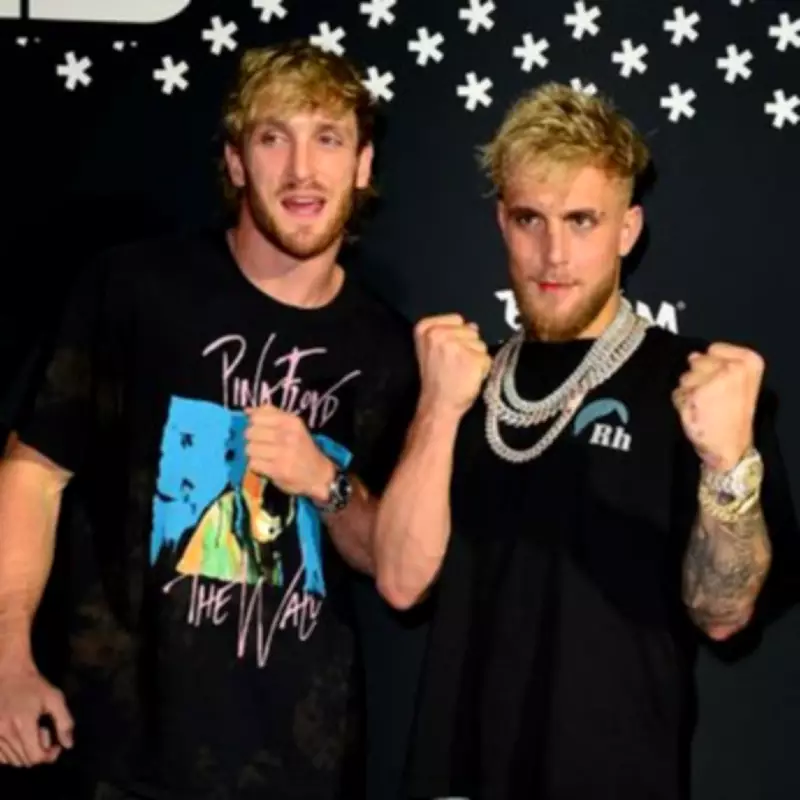
Paul Brothers Divided Over Bad Bunny's Super Bowl Halftime Performance
Boxer brothers Logan and Jake Paul have engaged in a very public disagreement over Puerto Rican star Bad Bunny's politically charged halftime show at the Super Bowl in California on Sunday. The performance, which included criticism of US immigration policies and a celebration of Latin American identity, has sparked intense debate among viewers and celebrities alike.
Bad Bunny's Powerful Super Bowl Statement
The 31-year-old rapper, whose real name is Benito Ocasio, delivered a stirring performance that combined his greatest hits with pointed political commentary. During his set, Bad Bunny directly addressed recent US Immigration and Customs Enforcement (ICE) raids that have resulted in two fatalities, while also asserting that Latin America represents an integral part of the American story rather than a separate or inferior entity.
This follows similar criticism the artist leveled at former President Donald Trump during last week's Grammy Awards ceremony. Bad Bunny's heartfelt tributes and powerful messages during the Super Bowl performance generated widespread praise from both viewers and fellow celebrities who appreciated his bold artistic statement.

Jake Paul's Strong Opposition
Wrestler Jake Paul, 29, took to social media platform X to express his vehement disapproval of the halftime show. In a post that garnered over 100,000 likes, Paul called Bad Bunny a "fake American citizen" and urged viewers to turn off the broadcast in protest.
"Purposefully turning off the halftime show," Jake Paul wrote. "Let's rally together and show big corporations they can't just do whatever they want without consequences. You are their benefit. Realise you have power. Turn off this halftime. A fake American citizen performing who publicly hates America. I cannot support that."
Logan Paul's Respectful Disagreement
In contrast to his brother's position, Logan Paul, 30, offered a more measured response that respectfully disagreed with Jake's assessment. The elder Paul brother emphasized the American status of Puerto Ricans and celebrated the opportunity for talent from the island to be showcased on such a prominent platform.
"I love my brother but I don't agree with this," Logan Paul responded. "Puerto Ricans are Americans and I'm happy they were given the opportunity to showcase the talent that comes from the island."
Political References and Reactions
During his performance, Bad Bunny appeared to reference five-year-old Liam Conejo Ramos, who was detained by ICE agents last month after walking home from school in Minneapolis. The young boy was taken into custody alongside his father and transferred to a family detention facility in Texas, with the US Department of Homeland Security reportedly seeking a deportation order for the Ecuadorian child.
In a particularly poignant moment, Bad Bunny presented a Grammy award to a young boy during the halftime show. Observers noted the child's resemblance to Liam Ramos, suggesting the gesture might have been intentionally symbolic. One social media user commented: "The little boy Bad Bunny gave the Grammy to resembles Liam Ramos. Wouldn't be surprised if it was intentional."
Trump's Scathing Criticism
Former President Donald Trump, unsurprisingly, offered harsh criticism of Bad Bunny's performance. In typically colorful language, Trump branded the halftime show "disgusting" and "an affront to the Greatness of America."
"The Super Bowl Halftime Show is absolutely terrible, one of the worst, EVER!" Trump fumed. "It makes no sense, is an affront to the Greatness of America, and doesn't represent our standards of Success, Creativity, or Excellence. Nobody understands a word this guy is saying, and the dancing is disgusting, especially for young children that are watching from throughout the U.S.A., and all over the World."

The former president continued his critique, suggesting the performance represented a "slap in the face" to the country and predicting favorable reviews from what he termed the "Fake News Media." The public disagreement between the Paul brothers highlights how Bad Bunny's politically infused performance has divided audiences along ideological lines, transforming what is typically celebratory entertainment into a platform for cultural and political debate.