Prime Minister Warns Iran Conflict Will Shape UK's Future
Prime Minister Sir Keir Starmer has issued a stark warning that the ongoing war with Iran will profoundly affect the future of the United Kingdom. However, he has firmly asserted that the nation is well-positioned to withstand the economic and geopolitical turbulence caused by the escalating conflict.
Economic Impact and Consumer Concerns
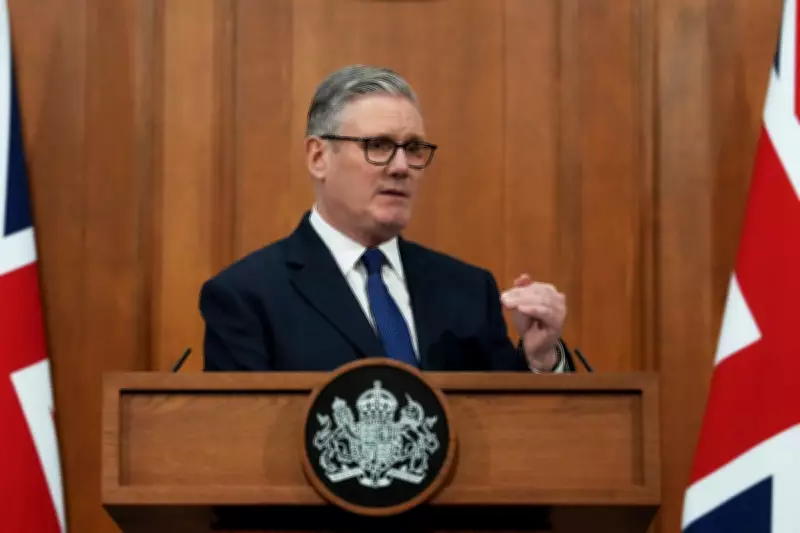
Speaking at a Downing Street press conference on Wednesday, Sir Keir acknowledged widespread public anxiety as the conflict drives up fuel and energy costs for British consumers. He emphasised that the government would not allow the British people to relive the severe energy shocks experienced during the 1970s.
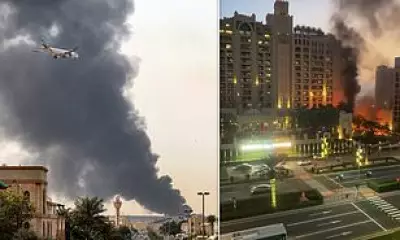
"I know that this is causing huge concern," the Prime Minister stated. "People see explosions and aggressive rhetoric on their screens and worry the UK will be dragged into this. We won't."

He sought to reassure citizens that a comprehensive long-term plan is in place to guide the country through the crisis, aiming to emerge as a stronger and more secure nation. Sir Keir declared, "No matter how fierce this storm, we are well-placed to weather it."
International Diplomatic Efforts
Meanwhile, Foreign Secretary Yvette Cooper is set to host a crucial virtual meeting with international leaders from thirty-five nations, including France, Germany, Italy, Japan, Canada, and the Netherlands. The gathering will assess all viable diplomatic and political measures to reopen the Strait of Hormuz, a critical global shipping route currently blockaded by Tehran.
This stranglehold has triggered significant spikes in oil and gas prices worldwide. Following the high-level discussions, numerous working-level meetings are expected to develop detailed plans to resume tanker movements through the strait, which typically handles one-fifth of the world's oil shipments.
Transatlantic Relations and NATO Commitment
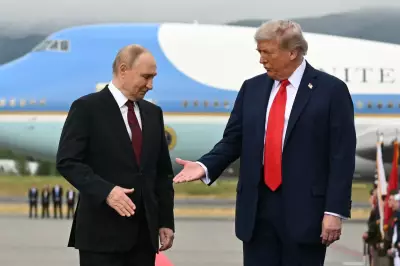
The Prime Minister also addressed strains in transatlantic relations, as former US President Donald Trump has repeatedly criticised allies for their limited involvement in the conflict. Trump has suggested that the UK and other nations should secure the Strait of Hormuz independently and "go get your own oil," while reportedly considering withdrawing America from NATO.
In response, Sir Keir defended NATO as "the single most effective military alliance the world has ever seen" and reaffirmed Britain's full commitment to the bloc. He vowed to continue acting in the British national interest "whatever the pressure on me and others, whatever the noise," reiterating that the UK would not be drawn into a wider war beyond necessary defensive actions.
Fuel Prices and Energy Bill Pressures
The conflict's economic repercussions are already being felt across the UK. Average diesel prices have surged to 182.8p per litre, marking a 40p increase since the conflict began on February 28. Petrol prices have risen to 152.8p per litre, up by 20p. Although fuel duty remains frozen until September, with the scheduled increase under review, opposition parties are calling for immediate measures to alleviate the burden on consumers.
In the energy sector, while household bills have decreased by 7% this week due to Ofgem's price cap adjustment from £1,758 to £1,641, experts predict an 18% hike from July. Respected analyst Cornwall Insight forecasts the July to September price cap will rise to £1,929 for a typical dual-fuel household, an increase of £288 from April's limit.
This reduction falls short of the average £150 cut pledged by the Chancellor in November, when she shifted 75% of the renewables obligation cost from household bills to general taxation and abolished the energy company obligation scheme.
Government Response and Future Outlook
The Chancellor is meeting with supermarket executives and regulators to discuss the impact on consumers, as the government navigates the complex economic landscape. The extent of future disruption may hinge on Donald Trump's approach to the Strait of Hormuz, as he has indicated willingness to abandon the military campaign without securing the waterway's reopening.

Amid these challenges, Sir Keir Starmer emphasised that Britain will continue pursuing closer ties with the European Union in the wake of the oil crisis, underscoring a strategic focus on stability and international cooperation during turbulent times.