Expert Biologist Reveals Five Simple Steps to Create a Bee-Friendly Garden in the UK
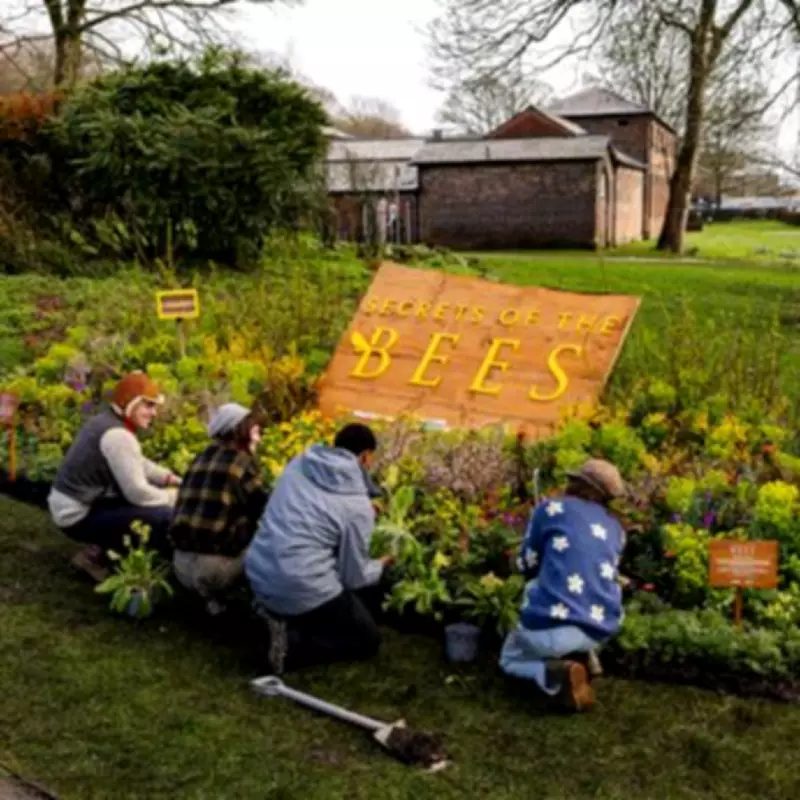
Biologist and bee expert Dr Rosa Vásquez Espinoza has unveiled five straightforward strategies to turn any garden into a thriving haven for bees, emphasising the importance of wildflowers and natural growth. Speaking in Manchester, where she contributed to a large-scale bee-friendly flowerbed at Heaton Park, one of the UK's largest public parks, Dr Espinoza highlighted how small changes can yield significant benefits for pollinators.
Embrace Wildflowers and Weeds for Pollinator Support
According to Dr Espinoza, planting wildflowers and embracing weeds like dandelions is crucial, as they serve as vital food sources for bees. She advises allowing gardens to grow a little wilder, which can have an immediate positive impact on bee populations. Additionally, selecting plants that bloom from early spring to late autumn ensures bees have continuous nourishment throughout the year.
Create Natural Habitats and Hydration Stations
Another key recommendation is to leave parts of the garden uncovered rather than paved, as many UK bee species nest in exposed soil. Providing shallow bowls filled with rocks and water offers bees safe spots to hydrate and recover, especially during warmer or dry periods. These simple adjustments help create a more supportive environment for wildlife.

National Geographic Research Highlights Public Engagement
A study by National Geographic involving 2,000 adults with gardens found that 61% allow parts of their garden to grow wild to aid bee populations. While 73% believe their garden is pollinator-friendly, with 65% planting flowers that bloom at different times and 46% growing flowering herbs, there remains a gap between intention and action. Notably, 32% admit they only do a few things to help, citing it as a low priority, but over half are open to planting more nectar-rich flowers, and 36% would consider reducing pesticide use.
Dr Rosa Vásquez Espinoza's Top Tips for a Bee-Friendly Garden
- Show Your Garden's Wild Side: Let your garden be a little wild. Bees thrive in diversity, not in overly managed spaces. Allow patches of wildflowers, especially native ones, to grow, as what we often remove as weeds are important early food sources.
- Cross-Season Food: Provide food across the whole season. Bees need support from early spring through autumn, so a mix of wild, naturally occurring flowers ensures a continuous source of nectar and pollen.
- Hydration Stations: Always leave out a small source of water. A shallow dish with stones or sticks gives bees a safe place to land and drink, which can be critical in dry periods.
- Avoid Chemicals: Steer clear of pesticides as much as possible, as even those marketed as safe can disrupt bee behaviour and harm ecosystems. Reducing chemical use allows nature to rebalance itself.
- Leave It Bare: Do not cover every part of your garden. Many UK bee species nest in the ground, so leaving small patches of bare soil and not sealing over holes provides essential nesting sites.
Inspiring Change Through Public Initiatives
The bee-friendly flowerbed in Manchester was installed to mark the launch of Secrets of the Bees, a new two-part series fronted by Bertie Gregory, premiering on National Geographic WILD and streaming on Disney+. This initiative aims to inspire Brits to make simple changes at home, demonstrating how even minor actions can help protect species vital to our ecosystems. Dr Espinoza stresses that bees play a critical role in pollinating plants we rely on daily, and small adjustments like those outlined can make a real and immediate difference.