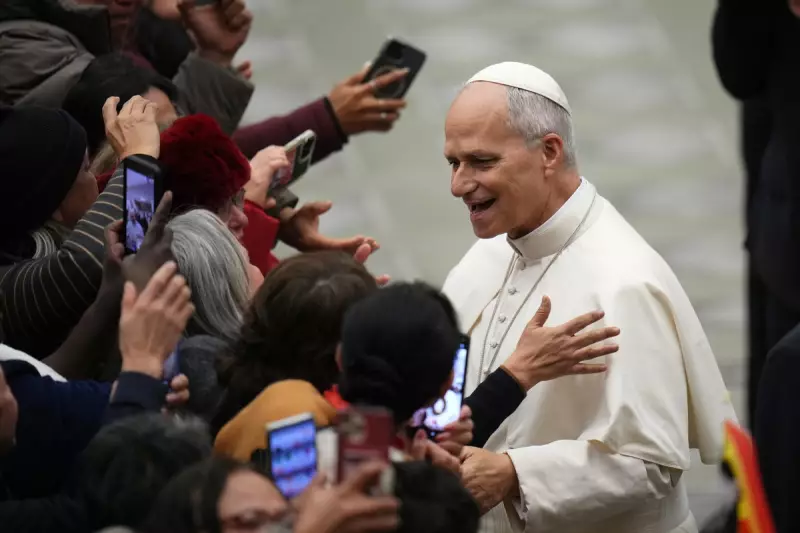
Pope Leo XIV is set to embark on a significant journey to Spain in 2026, fulfilling a wish of his predecessor to highlight the plight of migrants arriving in Europe. The itinerary, confirmed by Cardinal José Cobo Cano of Madrid, will include stops in the capital, Barcelona, and the Canary Islands.
Itinerary and Symbolic Stops
The planned papal visit to Spain will see the Pontiff travel to Madrid and Barcelona. In the Catalan capital, a key moment will be a visit to the iconic Sagrada Familia basilica. This stop is timed to coincide with the centenary of the death of its famed architect, Antoni Gaudí, marking a major cultural and religious moment.
While rumours had suggested a June trip, the exact timing for 2026 remains unconfirmed. This journey will represent Pope Leo XIV's first known travel plans for that year, drawing significant attention from the Catholic faithful and international observers alike.
Focus on Migration in the Canary Islands
A central and poignant part of the visit will be the stop in the Canary Islands. This archipelago has become a critical and often tragic entry point for thousands of migrants making the perilous journey from West Africa to European shores.
The inclusion of the islands directly reflects Pope Francis's longstanding outreach to refugees and displaced people, a mission Pope Leo XIV is now continuing. By visiting this frontline of the European migration situation, the Pope aims to draw global attention to the humanitarian challenges and suffering involved.
Context and Broader Significance
Cardinal Cobo Cano announced the plans after holding discussions with a senior Vatican official to finalise the schedule. The trip underscores the Vatican's ongoing diplomatic and pastoral engagement with key issues facing the continent.
This visit follows Pope Leo XIV's first Christmas sermon, in which he condemned the suffering in Gaza, indicating a papacy focused on global peace and humanitarian crises. The Spanish trip in 2026 will therefore be closely watched as a statement of his priorities and the Church's role in addressing world affairs.