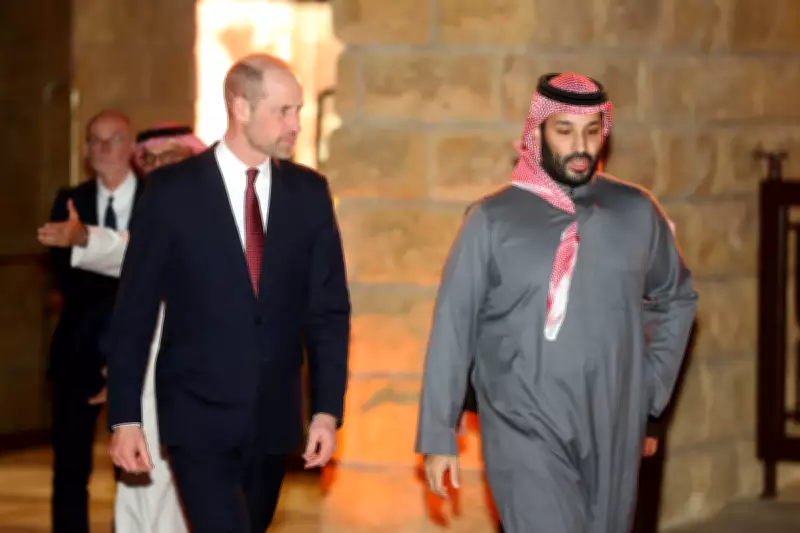
The Prince of Wales has commenced a significant three-day foreign visit to Saudi Arabia, a trip formally requested by the British government to reinforce diplomatic and strategic relations with this pivotal Middle Eastern ally. This high-profile mission underscores the UK's ongoing efforts to maintain strong partnerships in a region of critical geopolitical importance.
Controversial Discussions with Crown Prince Mohammed bin Salman
Central to the visit are scheduled talks with Crown Prince Mohammed bin Salman, commonly referred to as MBS, a figure mired in international controversy. Allegations of severe human rights violations and connections to the brutal killing of journalist Jamal Khashoggi have cast a long shadow over his leadership, making this engagement a delicate diplomatic balancing act for Prince William.
Pre-Visit Context and Public Statements
The journey follows a carefully timed public statement from the Prince and Princess of Wales, expressing profound concern over the Jeffrey Epstein scandal. Kensington Palace strategically issued this declaration ahead of the trip, aiming to address potential public relations challenges and align the royal family's stance with broader ethical considerations before embarking on such a sensitive diplomatic endeavour.

Engagements and Cultural Diplomacy
During the initial phase of his visit, Prince William, accompanied by Crown Prince Mohammed bin Salman, toured the UNESCO World Heritage Site At-Turaif, highlighting cultural exchange as a cornerstone of bilateral relations. Future engagements are set to include inspections of projects linked to Saudi Arabia's ambitious Vision 2030 reform plan. These will focus on initiatives promoting women's participation in sports and an environmental project nominated for the Earthshot Prize, showcasing areas of mutual interest and development.
Human Rights Advocacy and Amnesty International's Appeal
Amnesty International has publicly urged Prince William to leverage his private discussions with Saudi officials to raise the case of Ahmed Al Doush, a British national currently imprisoned in Saudi Arabia over tweets deemed critical of the regime. This appeal adds pressure on the royal visit to not only strengthen ties but also advocate for human rights and justice, reflecting the complex interplay between diplomacy and ethical obligations in international relations.
In summary, Prince William's visit to Saudi Arabia represents a crucial diplomatic effort to bolster UK-Saudi relations while navigating the contentious legacy of Crown Prince Mohammed bin Salman. The trip balances strategic alliance-building with calls for human rights advocacy, set against a backdrop of cultural and developmental engagements that aim to foster long-term cooperation between the two nations.