Rafah Crossing Poised for Reopening Amid Ceasefire Progress
The Rafah border crossing, a critical gateway between Gaza and Egypt, could reopen within days, according to Israeli officials and Palestinian authorities. This development follows Prime Minister Benjamin Netanyahu's announcement that the crossing will soon resume operations as part of the second phase of a U.S.-brokered ceasefire between Israel and Hamas. For Palestinians in Gaza, Rafah represents their primary link to the outside world, but it has been largely closed since Israel seized control in May 2024.
Timeline and Conditions for Reopening
An Israeli official, speaking anonymously in line with policy, indicated that the Rafah crossing might open in the coming days, with some sources suggesting it could occur as early as Thursday. Ali Shaath, head of the newly appointed Palestinian administrative committee for Gaza, confirmed on January 22 that the crossing would "open next week in both directions." In a video shared by the White House on social media, Shaath emphasised that "opening Rafah signals Gaza is no longer closed to the future and to the world." However, the committee remains in Cairo without Israeli authorisation to enter Gaza via Rafah.
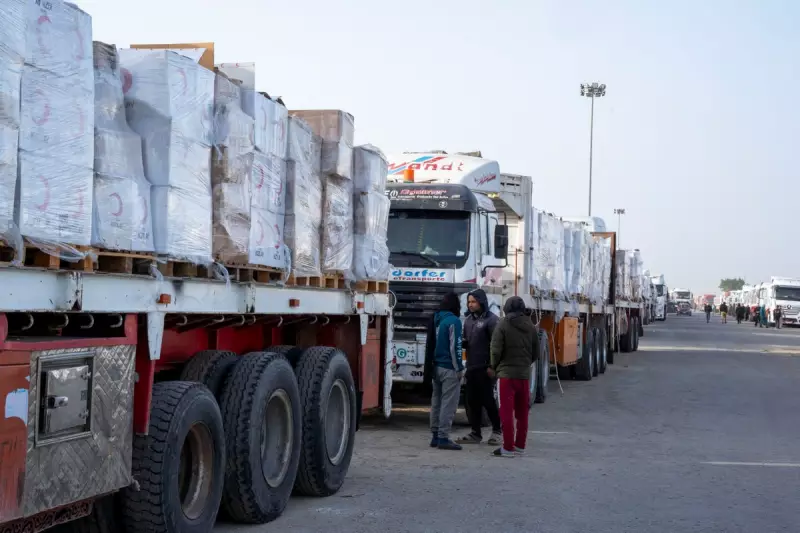
Under Netanyahu's stipulations, the reopening will involve strict controls. Only dozens of Palestinians will be allowed through daily, with no goods permitted to cross initially. Preparations are underway to prioritise medical evacuees, marking a shift from pre-war times when most exits occurred through Israel, as per World Health Organization data.
Impact on Medical Evacuations and Returns
The reopening raises hopes for thousands of war-wounded Palestinians seeking treatment abroad and tens of thousands outside Gaza aiming to return home. Conflicting reports exist on daily crossing limits: one Israeli official cited 50 Palestinians allowed in and 50 out daily, while another source familiar with discussions mentioned 50 in and 150 out daily. With an estimated 20,000 sick and wounded needing external care, according to Gaza's health ministry, a rate of 50 evacuations per day would take over a year to clear the backlog.
Historically, evacuation priorities have included children, cancer patients, and those with physical trauma, with most receiving treatment in Egypt. Medical evacuees typically exit with escorts, and it is likely that two escorts will be permitted per evacuee. Meanwhile, at least 30,000 Palestinians have registered with the Palestinian Embassy in Cairo for return to Gaza, though details remain under discussion.
Control and Oversight Mechanisms
Israel will maintain ultimate control over who enters and exits the Rafah crossing, despite involvement from Egypt, the Palestinian Authority, and a European Union mission. Egypt will provide daily name lists for Israeli vetting, and Israel's military controls the area between the crossing and Palestinian residential zones. COGAT, Israel's military body coordinating aid to Gaza, will manage transportation to and from the crossing.
While no Israeli soldiers will be stationed at the crossing, Palestinians will undergo Israeli security screenings inside Gaza. In the past, such screenings were conducted by Israeli soldiers and private U.S. contractors. Officers from the EU Border Assistance Mission and the Palestinian Authority will operate the crossing, with plainclothes Palestinian Authority officers stamping passports, as done during brief ceasefires in early 2025 and before Hamas took control in 2007.
Historical Context and Ongoing Uncertainties
Before the war, Palestinians faced heavy restrictions at Rafah. In 2022, the United Nations recorded over 133,000 entries and 144,000 exits, with many individuals crossing multiple times. Egyptian authorities allowed imports on 150 days, with more than 32,000 trucks of goods entering. Restrictions have fluctuated with regional politics, including a blockade imposed by Egypt and Israel after Hamas's 2007 takeover, reopening after Egypt's 2011 revolution, and closure in 2013 following political changes.
This led to a tunnel economy beneath Rafah, serving as an economic lifeline and conduit for weapons, with Hamas collecting significant taxes. Key details remain unclear, such as when trucks will be allowed, what items Palestinians can bring, and how long daily caps will persist. Humanitarian organisations face uncertainties in aiding Gaza, where shortages of medical supplies and fuel are rampant. Netanyahu has emphasised disarming Hamas and destroying tunnels as priorities, linking reconstruction to demilitarisation, making Israeli control over Rafah a potential leverage point.