Rubio Backtracks on Venezuela Military Threats in Senate Testimony
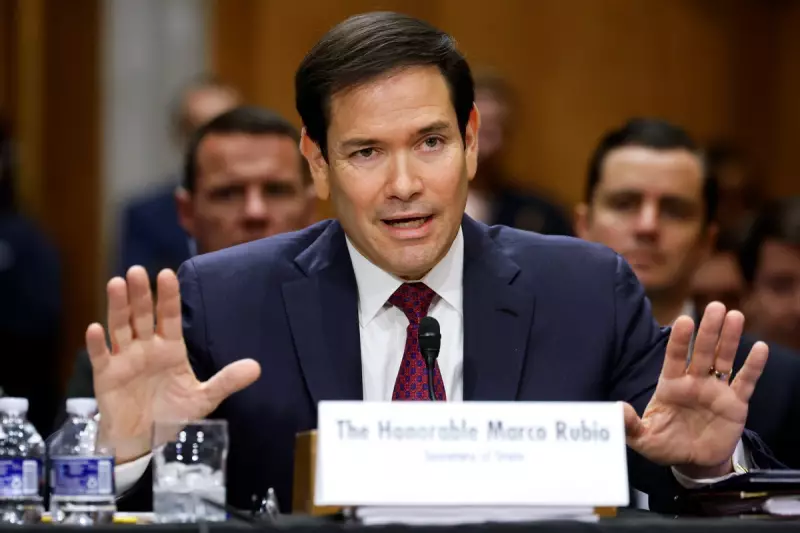
Secretary of State Marco Rubio has significantly softened his stance on potential US military intervention in Venezuela during a Senate Foreign Relations Committee hearing. This testimony marks the first public comments from a Trump administration official following the capture of former Venezuelan leader Nicolas Maduro and a series of controversial military strikes.
From Forceful Rhetoric to Reassurances
In his prepared remarks, Rubio initially maintained the administration's tough line, stating the United States was "prepared to use force to ensure maximum cooperation if other methods fail." He emphasised the administration's commitment to its hemispheric mission and duty to American citizens.
However, under questioning, Rubio offered a markedly different perspective. "I can tell you right now with full certainty, we are not postured to nor do we intend or expect to have to take any military action in Venezuela at any time," he declared. The Secretary of State clarified that the only US military presence anticipated would be Marine guards at the embassy.
Democratic Senators Challenge Legal Basis and Oil Motives
Democratic senators subjected Rubio to intense scrutiny regarding both the legal justification for recent military actions and the administration's apparent focus on Venezuela's vast oil reserves.
Senator Chris Murphy pressed Rubio on whether the administration would seek congressional authorisation for continued operations, particularly concerning oil sales central to the US occupation. Rubio acknowledged the requirement to notify Congress for sustained involvement but stated he did not "anticipate" such a scenario developing.
Senator Tim Kaine launched a fierce critique of the "complete weakness of the legal rationale" behind US strikes on alleged drug-running boats. These attacks, occurring in international waters and off Venezuela's coast since September, have reportedly killed over 120 people. Kaine expressed frustration that critical details remained classified, questioning why the administration and Republican Senate majority were "so jealously protecting the details" if the operation was truly righteous.
Defending the Post-Maduro "Transition" and Oil Strategy
Rubio's testimony served to defend President Trump's strategy following Maduro's capture. The ousted leader and his wife, Cilia Flores, have pleaded not guilty to US charges of operating a massive cocaine trafficking operation.
Rubio outlined the administration's vision, echoing President Trump's previous statements about having US oil companies "fix the badly broken infrastructure and start making money for the country." He confirmed the administration had issued no-bid licenses to two US oil trading companies as a "short-term fix" while pursuing a long-term plan involving direct sales and expanded operations for major corporations like Chevron.
When accused by Senator Murphy of "taking their oil at gunpoint," Rubio defended the approach as necessary for stabilisation. He mentioned a short-term mechanism to support basic Venezuelan government services but refused to commit to a specific timeline for a democratic transition, only stating that the situation must look different in several months.
A Shift in Tone Amid Ongoing Scrutiny
The hearing revealed a clear shift in the administration's public messaging regarding Venezuela. While the threat of force remains part of the rhetorical toolkit, Rubio's insistence that military action is neither intended nor expected suggests a recalibration. The focus appears firmly fixed on securing Venezuela's oil infrastructure and facilitating its entry into global markets, a strategy that continues to face significant legal and ethical questions from congressional opponents.
As Rubio, who also serves as National Security Advisor, concluded, military intervention "is not good for recovery and transition" and would represent a setback. The administration's immediate goals, therefore, seem centred on economic control rather than further military escalation, even as the consequences of previous strikes and the nature of the ongoing occupation remain deeply contentious.