Russia Accuses Ukraine of Sea Drone Attack on Tanker in Mediterranean
Russian authorities have pointed the finger at Ukraine for a devastating attack on a liquefied natural gas tanker that exploded and sank in the Mediterranean Sea. The incident, which occurred approximately 240 kilometres off the coast of the Libyan city of Sirte, has escalated tensions in the ongoing conflict between the two nations.
Tanker Sinks After Explosions and Fire
The Libyan Maritime Authority confirmed on Wednesday that the Russian-flagged vessel Arctic Metagaz experienced "sudden explosions, followed by a massive fire" on Tuesday. The tanker, which was carrying 61,000 tons of liquefied natural gas, ultimately "completely sank" in waters between Libya and Malta. All 30 crew members were successfully rescued and transferred to another vessel bound for the Libyan city of Benghazi, according to official statements.
Moscow's Allegations and Ukrainian Silence
Russia's Transport Ministry has explicitly blamed Ukrainian sea drones for the attack, claiming they were launched from the Libyan coast. This accusation aligns with previous reports of Ukrainian operations targeting Russian ships from Libyan territory, though Kyiv officials have not publicly confirmed such activities. Ukrainian officials have yet to issue any immediate comment on the latest allegations, maintaining a pattern of strategic ambiguity in their maritime warfare tactics.
Background of Ukrainian Sea Drone Operations
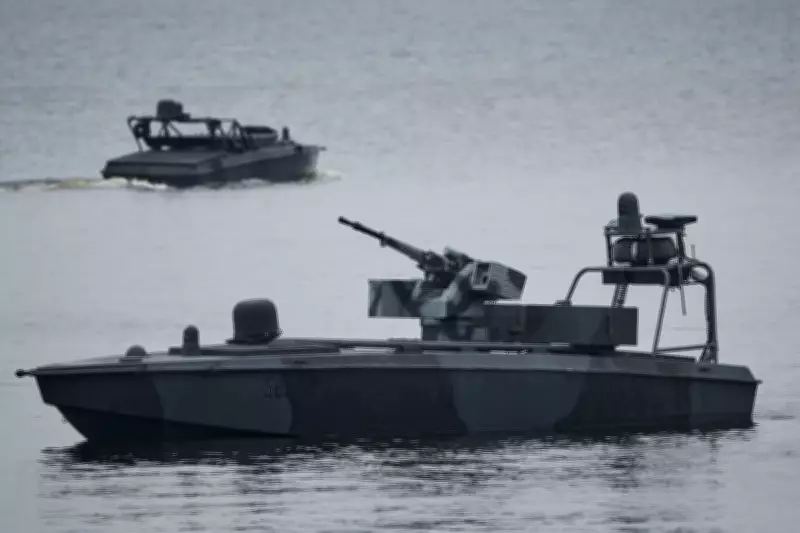
Ukraine has previously acknowledged using sea drones as part of its defensive strategy against Russia's full-scale invasion, which began over four years ago. These unmanned vessels have been deployed to target Russian ships in the Black Sea, demonstrating Kyiv's innovative approach to asymmetric warfare. In October 2025, Ukraine's state security service unveiled an upgraded sea drone model called the Sea Baby, boasting an impressive range of 1,500 kilometres and the capacity to carry a 2,000-kilogram warhead.
Sanctions and Shadow Fleet Connections
The Arctic Metagaz was operating under Western sanctions at the time of the incident, suspected of being part of Russia's so-called shadow fleet of energy tankers. These vessels are allegedly used to circumvent sanctions imposed on Moscow due to its war in Ukraine. The tanker had embarked from Murmansk in northwestern Russia and was en route to Port Said in Egypt when the attack occurred. According to ship-tracking data from MarineTraffic, its last reported position was in the western Mediterranean near Malta.
This incident underscores the expanding geographical scope of the conflict, with maritime operations now affecting international waters far from the traditional Black Sea theatre. The use of advanced drone technology continues to reshape naval warfare dynamics in the region.