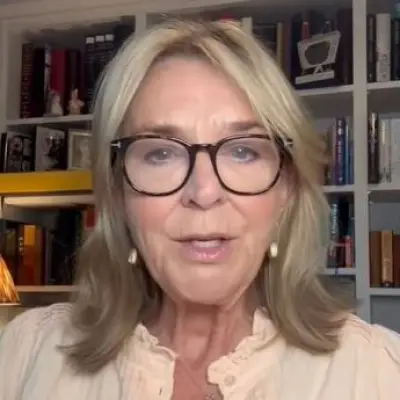
Renowned naturalist and BBC Springwatch presenter Chris Packham has openly discussed his deeply personal plans for the end of his life, revealing a heartfelt desire to reunite with the natural world he has dedicated his career to protecting. In a recent interview, the 64-year-old television host outlined a poignant and ecological approach to his final resting place, aiming to ensure his legacy continues through the cycles of nature.
A Poetic Return to the Ecosystem
Chris Packham, a familiar face to wildlife enthusiasts from programmes like Springwatch and CBBC's The Really Wild Show, explained his philosophy on life and death in simple, yet profound terms. He believes that upon death, humans break down into carbon units that are naturally recycled back into the environment. To honour this process, Packham intends for his ashes to be mixed with those of his beloved dogs, who have already been cremated.
He elaborated on this plan, stating that his partner or stepdaughter will then bury the combined ashes beneath a specific tree in a forest. This act, he envisions, will allow him to become part of that tree—perhaps as a leaf—thus reintegrating his essence into the ecosystem he cherishes.

The Cycle of Life and Death
Packham painted a vivid, almost poetic picture of his posthumous journey, describing how a caterpillar might eat that leaf, a blue tit could then consume the caterpillar, and a sparrowhawk might ultimately prey on the blue tit. He concluded this vision by remarking, "Our job will be done," emphasising his belief in the natural completion of life's cycle and his role within it.
This revelation comes amidst Packham's ongoing environmental advocacy, highlighted in his latest documentary, Greenwashed, which tackles existential ecological crises. His end-of-life plan reflects the same deep-rooted passion for nature that drives his public work, showcasing a commitment to sustainability even in death.
Advocacy for Meat Packaging Warnings
In addition to his personal plans, Chris Packham has been vocal about broader environmental issues, particularly concerning food consumption. He recently proposed the introduction of tobacco-style health warnings on meat packaging in supermarkets, arguing that current labels are "a joke" and fail to convey the true environmental impact of meat production.
Packham suggested that shocking imagery, such as stickers depicting animals in poor conditions, could sway public opinion and encourage dietary changes. He theorised that health concerns might be an effective way to influence consumer habits, drawing parallels to how graphic warnings on cigarette packs have impacted smoking rates.
By sharing both his end-of-life wishes and his advocacy for environmental reform, Chris Packham continues to inspire discussions about our relationship with nature, urging a more empathetic and sustainable approach to life and beyond.