Efforts by US President Donald Trump to broker an end to the Russia-Ukraine war have hit a significant obstacle, with a senior Russian official publicly undermining a key proposal from Kyiv. The setback came shortly after a series of high-stakes diplomatic calls and meetings over the weekend.
Diplomatic Flurry Before a Cold Douche
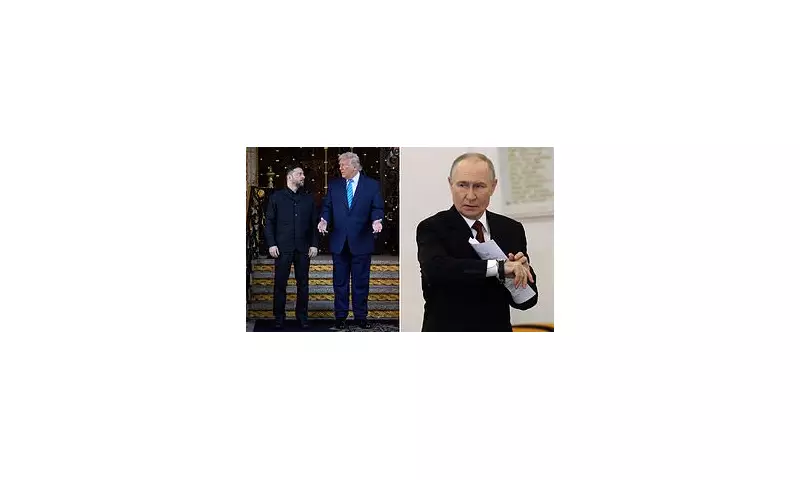
President Trump engaged in a substantial phone call with Russian President Vladimir Putin on Sunday, a conversation that lasted for one hour and fifteen minutes. According to the Kremlin, the call was initiated by the American side. This discussion was swiftly followed by a three-hour face-to-face meeting between Trump and Ukrainian President Volodymyr Zelensky at the Mar-a-Lago estate in Florida.
Central to Zelensky's position is a demand for democratic legitimacy. The Ukrainian leader has stated that any territorial concessions to Russia must be authorised by a vote of the Ukrainian people. He argues that a minimum 60-day pause in hostilities is required to organise such a referendum.
Kremlin Adviser Pours Cold Water on Ceasefire Plan
However, the Ukrainian leader's plan faced immediate public rejection from Moscow. Yuri Ushakov, a foreign policy advisor to President Putin, told Axios that both Putin and Trump agree Zelensky's proposal for a 60-day ceasefire "will only prolong the conflict."
Ushakov claimed the two presidents believe Ukraine "needs to make a decision about Donbas without delay," signalling the Russian delegation's discomfort with any temporary armistice that does not guarantee immediate territorial gains.
Despite this, Trump projected confidence following his marathon meeting with Zelensky. "I do think we are getting a lot closer. We are very close," the US president said. He acknowledged Putin's resistance to a ceasefire but added, "I understand that position. But I think we are finding ways to get around that."
Security Guarantees and Parliamentary Hurdles
The Sunday negotiations also delved into the crucial issue of long-term security for Ukraine. Zelensky revealed he requested a 50-year security guarantee from the United States, akin to NATO's Article 5 collective defence clause. The US counter-proposal, however, was for a significantly shorter 15-year agreement.
Trump also highlighted a major domestic hurdle within Ukraine: any final deal will require approval from the Ukrainian parliament. In a striking offer, Trump stated, "I’ve offered to go and speak to their parliament... I’d have no problem with doing it." He expressed hope, however, that such a step would not be necessary to secure a deal.
The president estimated that American and Ukrainian delegations are aligned on 95 percent of Zelensky's peace plan, with final negotiations slated for January. "In a few weeks we will know," Trump concluded.
Complicating the atmosphere further, Russian Foreign Minister Sergei Lavrov alleged that Ukraine launched over 90 drone attacks on a Putin-owned residence in the past two days, vowing retaliation but insisting talks would continue. On Monday, Trump and Putin held another phone call, described by the White House Press Secretary as "positive."