French Authorities Release Suspected Russian Shadow Fleet Tanker Following Substantial Penalty
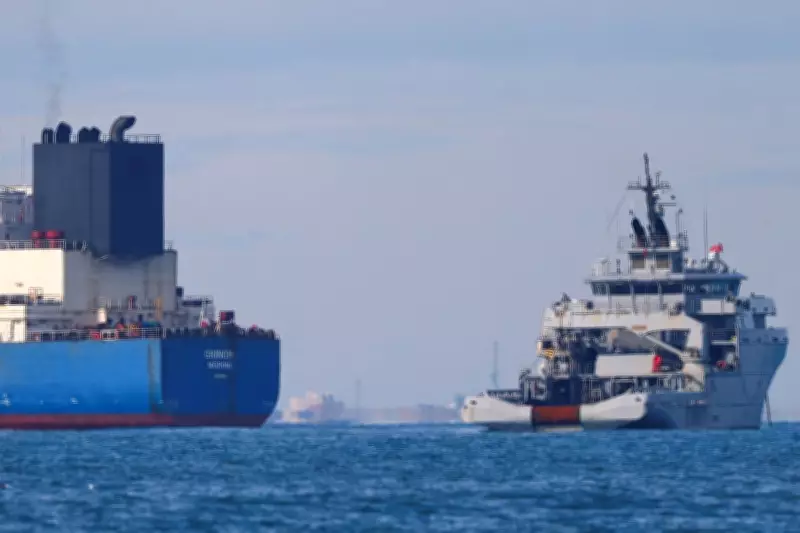
French officials have confirmed the release of the GRINCH oil tanker, a vessel strongly suspected of operating within Russia's sanctioned "shadow fleet," after its owners agreed to pay a multi-million euro fine and endured a three-week immobilisation period that incurred significant additional costs.
Financial Consequences for Sanctions Evasion
French Foreign Minister Jean-Noël Barrot announced the vessel's departure from French territorial waters via a social media statement, emphasising the tangible financial repercussions for entities attempting to circumvent international restrictions. "Bypassing European sanctions carries a substantial price tag. Russia will no longer be able to finance its military aggression with impunity through a ghost fleet operating near our coastlines," Minister Barrot declared.
Interception and Legal Proceedings
The tanker was initially intercepted and diverted by French military forces last month following an investigation into allegations of operating without a valid flag. The vessel was subsequently anchored at the port of Fos-sur-Mer near Marseille, where it remained under detention.

The Marseille prosecutor's office, in collaboration with regional maritime authorities, issued a joint statement confirming that the owning company entered a guilty plea procedure. As a result, the Marseille judicial court imposed what was described as a "financial penalty of confiscation" against the vessel's owners, though the precise monetary amount remains undisclosed to the public.
International Cooperation and Shadow Fleet Operations
The interception occurred in January when French naval forces, acting on intelligence provided by United Kingdom authorities, stopped the oil tanker in the Mediterranean Sea. Maritime regulations stipulate that all vessels must be properly registered to a specific nation or territory and display its flag accordingly. Ships failing to meet this requirement risk being classified as stateless, which provides legal grounds for seizure by authorities.
Russia is believed to be utilising a substantial fleet exceeding 400 vessels to circumvent international sanctions imposed due to its ongoing conflict with Ukraine. This shadow fleet typically consists of aging tankers and vessels owned by opaque entities registered in countries that have not implemented sanctions, often sailing under flags from these same jurisdictions.
Broader Crackdown on Sanctions Evasion
France has joined other nations in pledging to intensify efforts against sanctions evasion networks. This recent incident follows a similar interception last September, when French naval personnel boarded another oil tanker off the Atlantic coast that President Emmanuel Macron similarly linked to Russia's shadow fleet operations. Russian President Vladimir Putin denounced that earlier interception as an act of piracy.
The captain from that previous incident is scheduled to face trial next week over allegations that the crew refused to cooperate with French authorities. Throughout the GRINCH tanker's detention period, its crew members, all of Indian nationality, remained aboard the vessel as legal proceedings unfolded.