Rwanda Initiates Legal Action Against UK Over Scrapped Asylum Deal
Rwanda Sues UK Over Terminated Migrant Agreement

Rwanda Launches Legal Challenge Against UK Over Abandoned Migration Pact

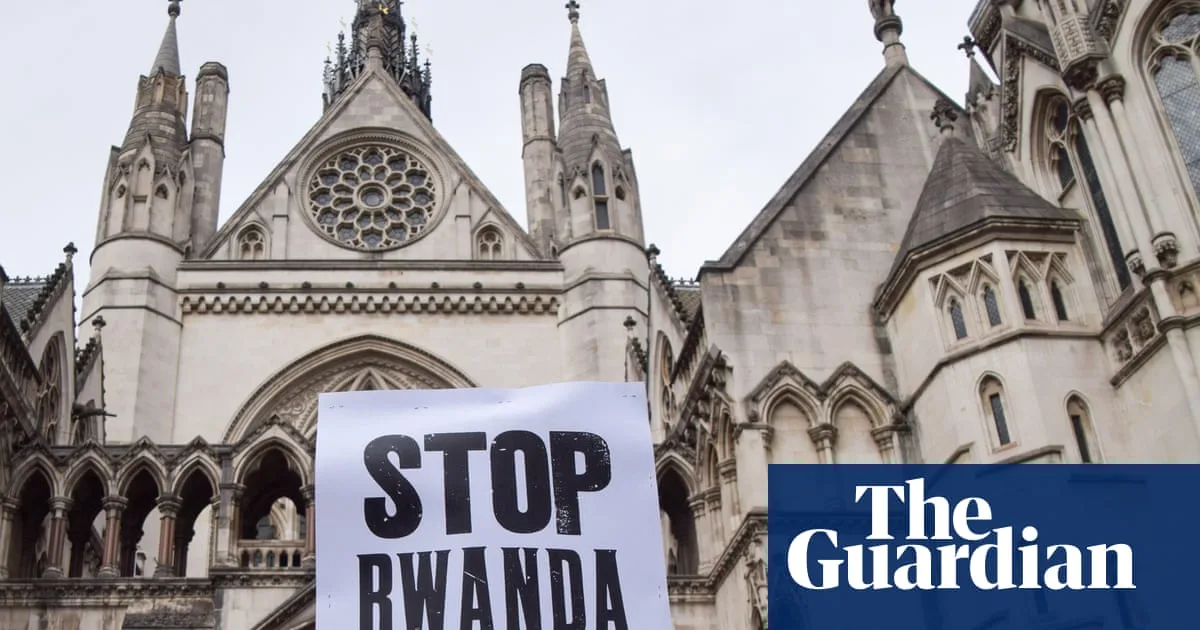
Rwanda has announced it is taking legal action against the United Kingdom, seeking financial payments related to the controversial and now-abandoned migrant agreement. The East African nation confirmed on Tuesday that it has initiated proceedings with the Permanent Court of Arbitration in The Hague.

Background of the Controversial Agreement

The migration deal, which entered into force on April 25, 2024, was originally negotiated with former Prime Minister Rishi Sunak's government. Under its terms, Britain agreed to pay Rwanda to host asylum seekers who had arrived in the UK illegally. However, the arrangement faced significant legal and political challenges from its inception.

In a dramatic policy reversal, newly elected Prime Minister Keir Starmer declared the scheme "dead and buried" in July 2024, shortly after his Labour government assumed power. The Rwandan government has criticised this decision, stating it was made "without prior notice to Rwanda, contrary to the spirit of the partnership that had always characterized the agreement."

Legal Complexities and Financial Implications

The legal foundation of the agreement had already been undermined in 2023 when the UK Supreme Court ruled it unlawful, finding violations of both domestic and international law. Despite this ruling, Rwanda is pursuing what it claims are outstanding financial obligations.

According to UK Home Secretary Yvette Cooper, the failed plan had already cost British taxpayers approximately £290 million in payments to Rwanda. Additionally, the UK requested in November 2024 that Rwanda forgo two future payments of £50 million each, scheduled for April 2025 and April 2026, anticipating the formal termination of the treaty.

Expert Analysis on International Law Considerations

Rwandan international law expert Jonathan Musangwa has provided insight into the legal arguments, suggesting that Rwanda may have a viable case despite the UK Supreme Court's domestic ruling. "A domestic judgment may prevent the government from continuing to implement the scheme internally, but it does not by itself terminate the treaty or erase obligations that already exist between the states," Musangwa explained.

He further elaborated that the arbitration tribunal will need to examine whether the UK lawfully terminated the agreement according to its terms or under the Vienna Convention on the Law of Treaties. "If it did not, an arbitral tribunal may still find an internationally wrongful act and consider questions of responsibility and reparation, even though domestic courts found otherwise," he added.

Specific Allegations and Current Stalemate

In its arbitration filing, Rwanda alleges that the UK breached the treaty's financial arrangements and specific articles, including:

  • Violation of Article 18 regarding treaty obligations
  • Violation of Article 19 by refusing to resettle vulnerable refugees

The Rwandan government has indicated it was prepared to accept revised financial arrangements should the treaty be formally terminated, provided new terms were negotiated. However, "discussions between Rwanda and the United Kingdom did not, however, ultimately take place, and the amounts remain due and payable under the treaty," according to their statement.

The UK government has maintained a firm position, making clear it has no intention of making further payments under the agreement. This legal dispute represents the latest chapter in a policy that saw only four individuals voluntarily relocate to Rwanda before its termination, highlighting the complex intersection of immigration policy, international relations, and legal accountability.