Seoul Implements Major Security Operation for BTS Comeback Concert
South Korean authorities have significantly heightened security protocols in Seoul ahead of the highly anticipated comeback concert by the global K-pop sensation BTS. The event, scheduled for Saturday, is expected to draw a massive crowd of over 260,000 fans, prompting concerns about public safety and potential threats.
Terror Alert Elevated and Police Deployment
On Wednesday, officials raised the terror alert to the second-lowest level on a four-step scale for specific areas of the capital, a precaution that will remain in effect until midnight on Saturday. This decision reflects growing apprehensions linked to the deteriorating international landscape, including ongoing crises in the Middle East. Notably, the United States embassy is situated approximately 160 metres from the concert stage, adding to the security considerations.
In response, the Seoul police agency will mobilise 6,500 officers, incorporating more than 70 riot police units, to manage the event. Additionally, the Seoul city government will deploy a further 3,400 personnel, supported by 102 fire trucks and 803 firefighters strategically positioned around the venue. To facilitate crowd control, subway trains will bypass stations in close proximity to the concert site.

Venue Management and Safety Measures
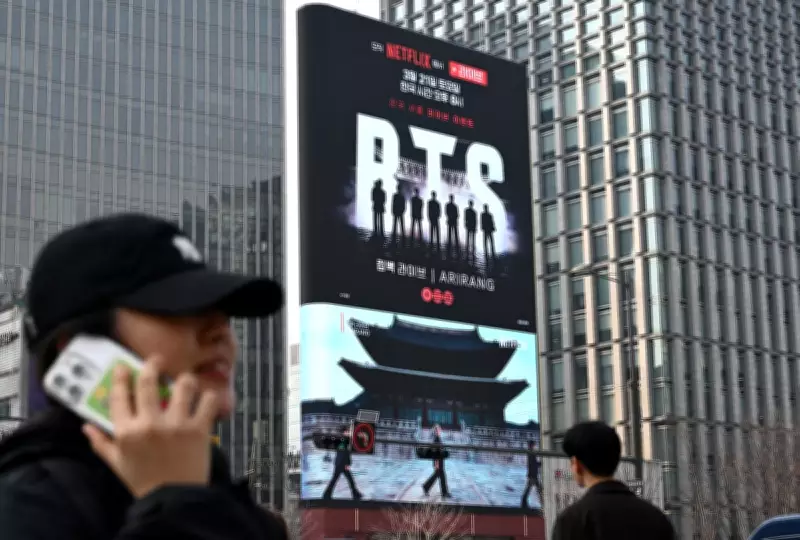
The concert will take place at Gwanghwamun Square, located in front of the historic Gyeongbokgung Palace, marking BTS's first performance as a complete group since October 2022. Following the fulfilment of mandatory military service by all seven members, this event coincides with the release of their fifth studio album, titled Arirang.
Authorities are treating the venue with stadium-level operational rigour, implementing 31 entry gates each equipped with walk-through metal detectors. In an unprecedented move, civilian firearm withdrawals from police stations across Seoul have been temporarily banned. Special forces units will be pre-positioned around the perimeter, which will be secured with vehicle barriers, iron spike strips, and police buses. Access to and rooftop use of 31 surrounding buildings will be strictly restricted on the day of the concert.
Government Warnings and Historical Context
South Korean President Lee Jae Myung emphasised the critical importance of safety during a cabinet meeting this week, urging heightened vigilance from the interior ministry and emergency services. He described the concert as a pivotal moment to reaffirm the nation's global cultural influence.
The anticipated crowd size is comparable to the mass protests that filled Gwanghwamun Square during the 2016 presidential impeachment crisis of former President Park Geun-hye. This has raised concerns among officials, particularly in light of the traumatic 2022 Itaewon crowd crush, which resulted in 159 fatalities. Kang Hoon-sik, the president's chief of staff, cautioned that even a single accident at such a large-scale event could inflict significant damage to the country's international reputation.
Fan Engagement and Cultural Celebrations
While 22,000 free tickets were distributed for the concert, the majority of attendees are expected to gather in surrounding streets without tickets, where a variety of fan events will be held. The concert will be streamed live on Netflix to audiences in more than 190 countries, broadening its global reach.
Alongside the extensive security operation, Seoul has organised a broader cultural festival to celebrate the BTS comeback. On Friday evening, major city landmarks will be illuminated with BTS-themed media facades, and a 15-minute drone light show will dazzle spectators over the Han River. A series of BTS-themed installations across the city will remain on display through mid-April, enhancing the celebratory atmosphere.
Future Plans and Global Impact
Following Saturday's concert, BTS is set to embark on a comprehensive world tour, spanning 34 cities and 82 shows across five continents. This comeback not only marks a significant milestone for the group but also underscores South Korea's enduring cultural export power on the global stage.