Four South African men, who were allegedly tricked into fighting for Russian forces in Ukraine's Donbas region, have safely returned to their homeland after being trapped abroad. This development follows distress calls made by a larger group of 17 South Africans to their government in November, prompting high-level diplomatic interventions.
Diplomatic Efforts and Legal Implications
The plight of these individuals led South African President Cyril Ramaphosa to engage directly with Russian President Vladimir Putin earlier this month. Both leaders publicly committed to supporting the repatriation process for South Africans fighting alongside Russian troops in Ukraine. However, official confirmation of the men's return remains limited, with Ramaphosa's spokesperson stating only that the repatriation process is ongoing as discussed.
Legal Framework and International Context
Under South African law, it is strictly illegal for citizens to provide military assistance to foreign governments or join foreign armies without proper authorisation from South African authorities. This legal stance exists alongside South Africa's official position of non-alignment in the Ukraine conflict, despite maintaining warm relations with Moscow as fellow BRICS members.

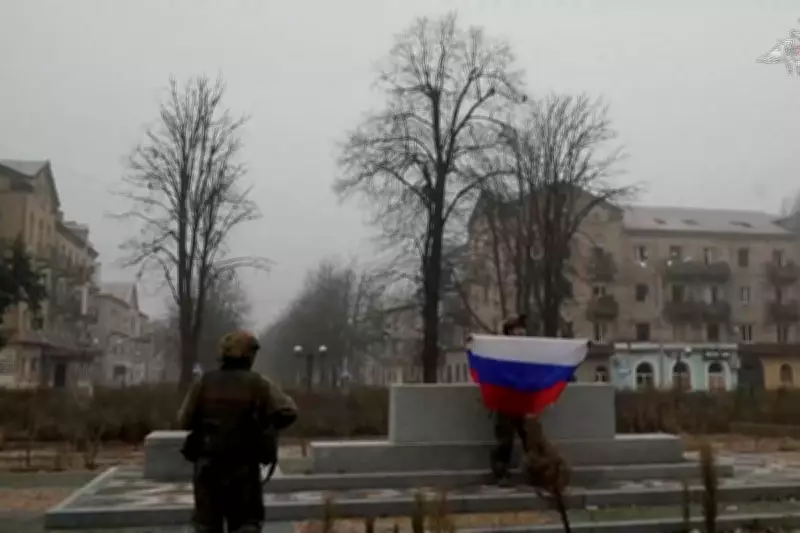
The Donbas region, where these men were reportedly deployed, has seen intense fighting since Russia's full-scale invasion of Ukraine in February 2022. Much of this territory remains under Russian military control, creating dangerous conditions for foreign combatants.
Broader Pattern of Recruitment
This case reflects a wider international pattern of questionable recruitment practices. Several countries including India, Nepal, and Sri Lanka have reported similar incidents where their citizens were allegedly recruited under false pretences to support Russia's war effort in Ukraine.
Just last week, Kenya's foreign ministry announced the rescue of 27 Kenyans who were stranded in Russia after being illegally enlisted to fight in Ukraine. Kenyan Foreign Minister Musalia Mudavadi has indicated plans to visit Russia for direct discussions aimed at preventing Kenyans from becoming "recruits for war."
Official Responses and Ongoing Questions
Despite the men's return, multiple government entities have remained silent on the specifics of this case. Neither South African police spokespersons nor the foreign ministry have offered detailed comments, while the Russian embassy in Pretoria has not responded to media inquiries about these recruitment allegations.
The men were met by police upon their Wednesday arrival at Johannesburg's O.R. Tambo International Airport, though the circumstances of their recruitment, deployment, and eventual return remain unclear. This incident raises significant questions about international recruitment practices, the enforcement of national laws regarding foreign military service, and the diplomatic challenges of protecting citizens caught in foreign conflicts.