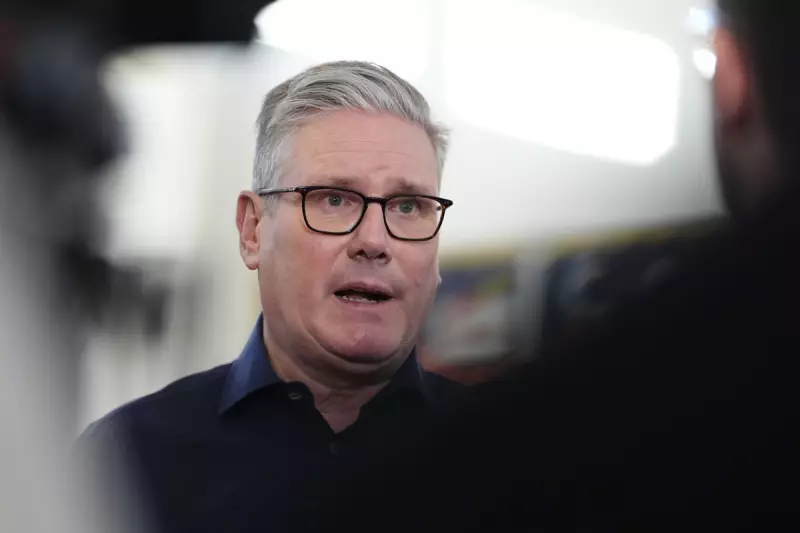
Prime Minister Sir Keir Starmer has issued a forceful condemnation of the Iranian regime's violent suppression of nationwide protests, joining European allies to demand an immediate end to the bloodshed.
International Condemnation Mounts
In a significant diplomatic move, the British leader delivered a joint statement with the heads of France and Germany on Friday, 9 January 2026. The trio expressed being "deeply concerned about reports of violence by Iranian security forces" and "strongly" condemned the killing of unarmed demonstrators.
The leaders underscored that Tehran holds a fundamental duty to safeguard its population. "The Iranian authorities have the responsibility to protect their own population and must allow for the freedom of expression and peaceful assembly without fear of reprisal," the statement declared. It concluded with a direct appeal: "We urge the Iranian authorities to exercise restraint, to refrain from violence, and to uphold the fundamental rights of Iran’s citizens."
A Brutal Crackdown Unfolds
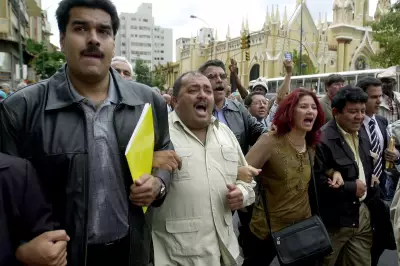
The protests, which ignited on 28 December, represent the most severe challenge to Iran's clerical leadership for several years. What began as unrest driven by a failing economy has escalated into a broad, anti-regime movement.
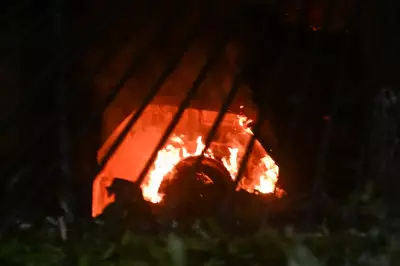
The human cost has been severe. According to reports, at least 48 protesters have been killed and a staggering 2,300 people have been detained in the weeks of upheaval. In a bid to stifle dissent and control the narrative, Iranian authorities have imposed a severe communications blackout, cutting off internet access and international telephone lines.
The demonstrations have seen unprecedented actions, including chants in favour of Iran's pre-revolution monarch, the Shah. His son, Reza Pahlavi, has publicly called for the protests to continue and intensify.
Cross-Party UK Criticism and Wider Repercussions
Criticism of Tehran's actions has united political rivals in the UK. Conservative leader Kemi Badenoch accused the regime of "doing what authoritarian governments always do when they are afraid" by attempting to "silence the truth" through internet censorship.
She drew a direct line between domestic repression and international threat, stating: "A regime that represses its own people, crushes rights and strips away basic freedoms is the same regime that exports terror, funds extremism and threatens stability far beyond its borders." Badenoch added, "Even here in Britain, Iran is trying to murder its political opponents. We stand with the Iranian people who want a secular, democratic future for Iran."
The crisis has also reignited tensions between Iran and the United States, with former President Donald Trump issuing a stark warning that Tehran would "pay hell" if authorities killed protesters, highlighting the international dimensions of the unrest.