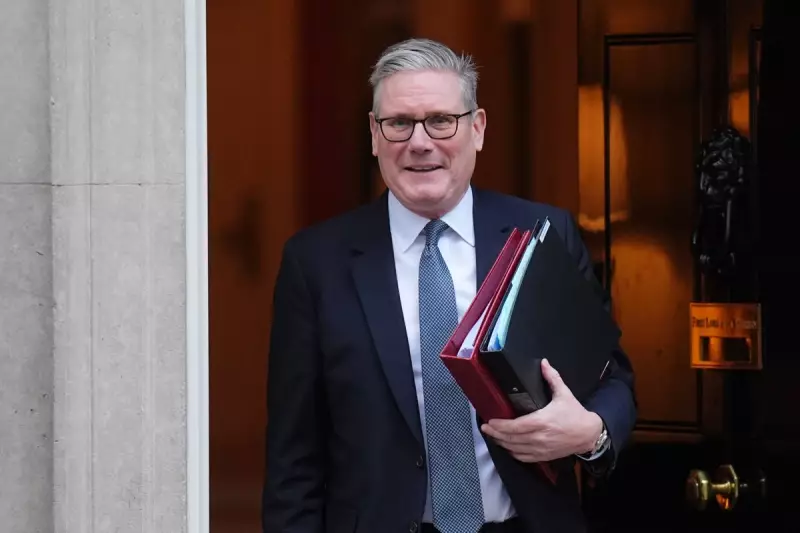
Prime Minister Sir Keir Starmer has issued a strong condemnation of the Iranian regime's violent crackdown on its own citizens, joining forces with European allies to demand an immediate end to the bloodshed.
International Leaders Unite in Condemnation
In a significant diplomatic move, Sir Keir Starmer released a joint statement with the leaders of France and Germany on Friday, 9 January 2026. The statement expressed profound alarm at the escalating situation in Iran, where security forces have reportedly used lethal violence against peaceful demonstrators.
The leaders declared they were "deeply concerned about reports of violence by Iranian security forces" and "strongly" condemned the killing of protesters. They emphasised that the authorities in Tehran bear the fundamental duty to protect their population and must guarantee the rights to freedom of expression and peaceful assembly without fear of violent retaliation.
A Crackdown on Dissent and Communication
The protests, which began on 28 December, were initially fuelled by widespread anger over Iran's failing economy. They have since evolved into the most serious challenge to the ruling regime in several years, featuring chants in support of the pre-revolutionary Shah, whose son Reza Pahlavi has called for continued demonstrations.
In response, the Iranian leadership has embarked on a severe suppression campaign. At least 62 people are reported to have been killed and approximately 2,300 detained over weeks of unrest. Furthermore, the regime has implemented a widespread shutdown of internet access and international telephone calls, a tactic designed to stifle communication and obscure the true scale of the crackdown from the world.
UK Political Response and Global Repercussions
The Prime Minister's statement directly urged Iranian authorities to "exercise restraint, to refrain from violence, and to uphold the fundamental rights of Iran’s citizens". This call was echoed by domestic political voices.
Conservative leader Kemi Badenoch accused the Iranian regime of "doing what authoritarian governments always do when they are afraid" by trying to silence the truth. She linked Iran's internal repression to its external threats, stating, "A regime that represses its own people... is the same regime that exports terror, funds extremism and threatens stability far beyond its borders." Badenoch affirmed the UK's solidarity with the Iranian people's desire for a secular, democratic future.
The protests have also reignited tensions between Iran and the United States, with President Donald Trump issuing a stark warning that Tehran would "pay hell" if authorities continued to kill protesters. The situation presents a major test for the UK government's foreign policy stance under Sir Keir Starmer, emphasising human rights and coordinated international diplomacy.