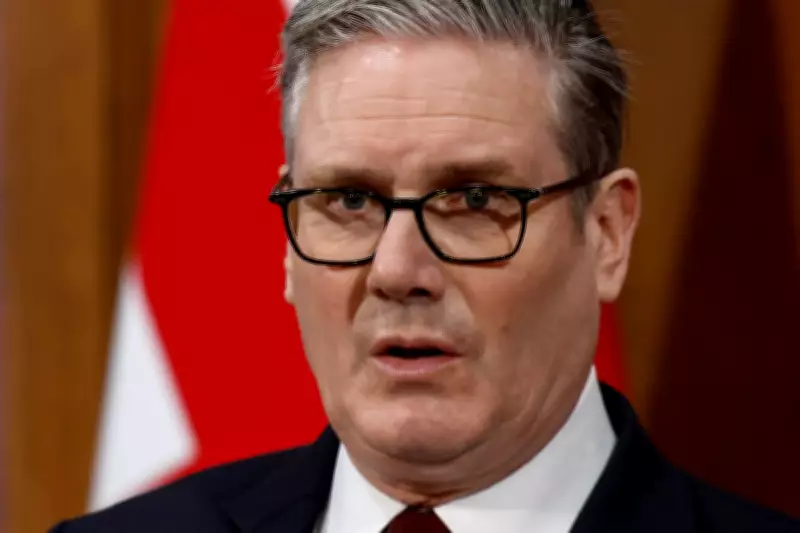
Prime Minister Sir Keir Starmer is set to face Members of Parliament on Wednesday as the United Kingdom intensifies its leadership in formulating a strategy to reopen the critical Strait of Hormuz. This development follows a stark warning from Chancellor Rachel Reeves about the significant economic repercussions of the ongoing conflict with Iran.
Economic Impact and Oil Price Surge
The effective blockade imposed by Tehran on the Strait of Hormuz, a crucial maritime route for global oil and gas shipments, has driven oil prices to exceed 100 US dollars per barrel. In a concerning statement, Shell CEO Wael Sawan cautioned at an industry conference on Tuesday that Europe could confront oil shortages as early as next month if the strait remains closed.
UK's Diplomatic Efforts
The UK is currently at the forefront of international efforts to devise a viable plan to restore the flow of goods through this key shipping lane. During a telephone conversation with Saudi Arabia's Crown Prince Mohammed bin Salman on Tuesday evening, Sir Keir Starmer confirmed that the UK is collaborating with partners to outline a workable strategy.

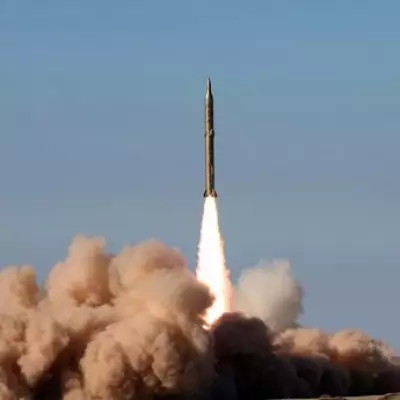
However, any potential deployment of naval vessels is considered unlikely while Iran continues to pose threats to ships in the strait using missiles and drones. Iran maintains that the strait remains accessible to vessels not aligned with nations it views as hostile.
Iran's Position and International Response
Iranian Foreign Minister Abbas Araghchi has communicated to his counterparts from other countries that ships can pass through the strait "in coordination with the competent Iranian authorities." Additionally, Iran has reportedly circulated a letter to members of the UN-backed International Maritime Organisation reiterating this claim.
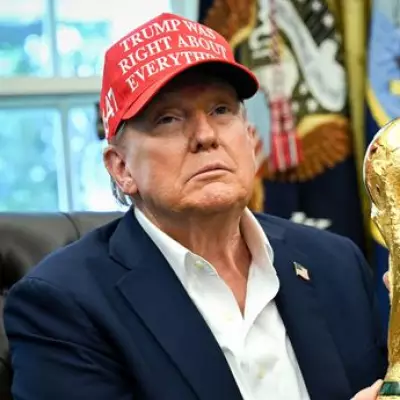
Despite these assertions, commercial ships are largely avoiding the area due to safety concerns. Meanwhile, former US President Donald Trump has repeatedly urged other nations to assist in reopening the strait and claimed during a White House press conference that Iran had offered the US "a very big present" related to oil and gas, though he provided no further details.
Mixed Signals from the United States
The United States has sent conflicting messages regarding the future trajectory of the conflict. While Trump declared the war as "won" and asserted that America had achieved "regime change," he has also reportedly ordered thousands of US soldiers to the region. Concurrently, Iran continues to launch drones and missiles against neighbouring countries, exacerbating regional tensions.
As Prime Minister's Questions approaches, the focus will be on Sir Keir Starmer's ability to navigate this complex geopolitical and economic crisis, balancing diplomatic efforts with the urgent need to stabilise global energy markets.