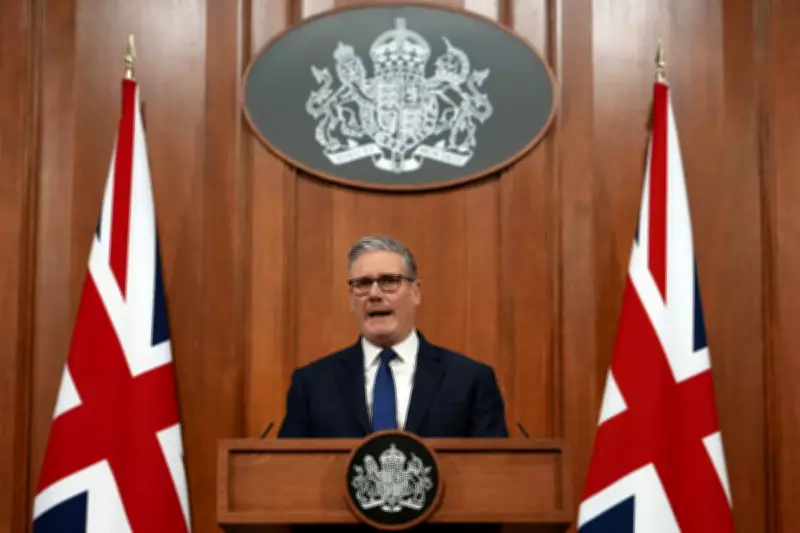
Prime Minister Sir Keir Starmer has issued a stark warning that the ongoing war in Iran will have profound and lasting effects on the future of the United Kingdom. Speaking to the public, he emphasised that while the crisis poses significant challenges, the nation is well-equipped and prepared to manage the fallout effectively.
Diplomatic Initiatives to Address Strait of Hormuz Blockade
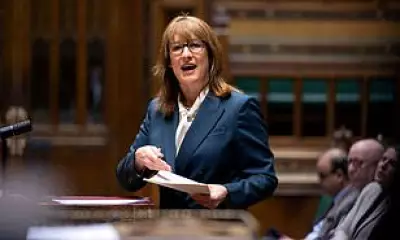
In response to the escalating situation, Sir Keir announced that Foreign Secretary Yvette Cooper will host a crucial international meeting. This summit aims to tackle the critical issue of Tehran's blockage of the Strait of Hormuz, a vital maritime chokepoint for global oil shipments. The primary focus will be on evaluating diplomatic and political strategies to restore freedom of navigation and ensure the safety of commercial vessels and their crews operating in the region.
Military Planning for Post-Conflict Stability
Following the diplomatic discussions, military planners from the UK and allied nations will convene to develop comprehensive strategies. Their objective is to devise plans for keeping the Strait of Hormuz clear and secure once the current conflict subsides, thereby safeguarding this essential oil shipping route for international trade.

UK's Stance on Non-Involvement in Middle East Conflict
Sir Keir reiterated a firm commitment that the United Kingdom will not be drawn into the Middle East conflict. He underscored the importance of this position to prevent a recurrence of the severe energy crises experienced in the 1970s, which had devastating economic impacts. The Prime Minister affirmed that maintaining this stance is crucial for ensuring a fairer and more stable Britain, protecting national interests while avoiding direct military entanglement.
This approach reflects a broader strategy to balance global diplomatic engagement with domestic stability, as the UK navigates the complex geopolitical landscape shaped by the Iran war.