Unequal Encounter: Starmer's Beijing Trip Yields Little Beyond Symbolism
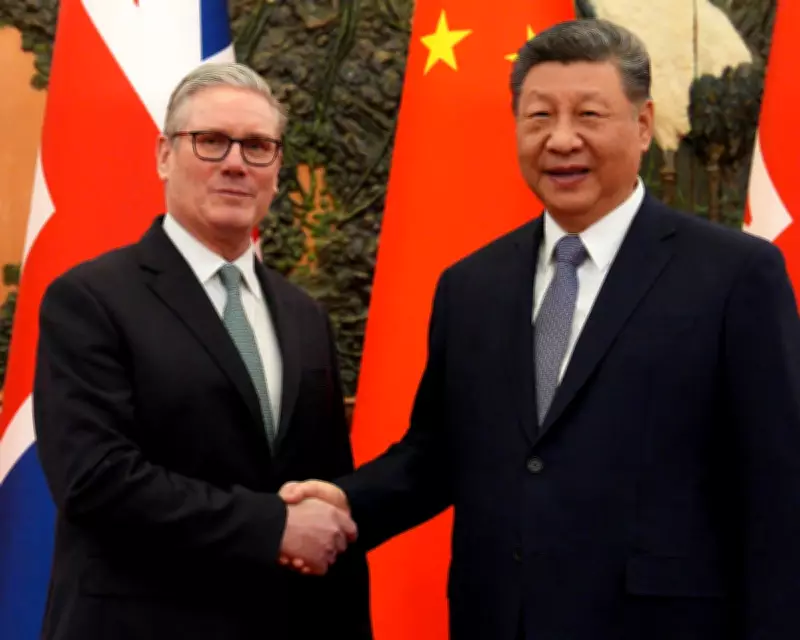
The recent bilateral meeting between British Prime Minister Keir Starmer and Chinese President Xi Jinping in Beijing presented a stark visual of diplomatic asymmetry. Photographs captured the two leaders shaking hands before cameras, yet the substance behind the ceremony revealed a relationship where Britain appeared the more eager participant, seeking validation on the global stage while China extracted specific concessions.
A Long-Awaited Trip with Limited Agenda
For Starmer, this visit represented a coveted opportunity to demonstrate statesmanship abroad, following similar trips by figures like Mark Carney and Emmanuel Macron. The prime minister reportedly relishes the pomp of foreign diplomacy—the large flags, military bands, and ceremonial respect that offer temporary respite from domestic political pressures. However, Chinese officials showed markedly less enthusiasm, reportedly questioning the visit's purpose before agreeing to schedule meetings under specific conditions.
Concessions and Conditions
The Chinese side secured a significant concession: UK government approval for a new "mega embassy" near the Tower of London. In return, Starmer received a tightly controlled diplomatic encounter. The meeting was scheduled for just forty minutes—a surprisingly brief duration for a four-day trip involving a substantial trade delegation. Notably, there was no joint press conference, with Xi Jinping avoiding potentially hostile media questions. Instead, both leaders issued a joint statement filled with diplomatic platitudes, carefully avoiding substantive discussion of differences.
"Sophisticated" Relationship or Convenient Arrangement?
Starmer described the desired UK-China relationship as "sophisticated," a term that critics might interpret as diplomatic code for an arrangement where both parties overlook inconvenient truths for mutual convenience. This approach potentially involves turning a blind eye to China's support for rogue states while pursuing economic agreements that may disproportionately benefit Chinese interests. The prime minister's apparent willingness to accept such terms suggests a belief that any relationship with China is preferable to none, despite the power imbalance.
Xi's Calculated Generosity
President Xi used the occasion to bestow measured largesse, praising Labour's efforts to improve relations while subtly criticizing former Trade Secretary Kemi Badenoch's confrontational approach. He spoke of "new opportunities" without specifying details, invoking the "let a hundred flowers bloom" metaphor while acknowledging ongoing espionage activities between the nations—a rare moment of diplomatic candor. Xi's concluding Chinese proverb, "Range far your eye over long distances," hinted at strategic patience and perhaps greater awareness of Starmer's political trajectory than publicly acknowledged.
Limited Tangible Outcomes
When pressed by British journalists about concrete achievements, Starmer pointed to two primary outcomes: Chinese companies will no longer directly supply outboard motors to people smugglers (though secondary markets remain unaddressed), and British citizens now enjoy 30-day visa-free access to China, matching arrangements with Germany and France. While presented as significant victories, these concessions appear modest against the backdrop of broader trade imbalances, with Chinese interests seemingly focused more on selling to Britain than buying British goods.
Delicate Issues Sidestepped
Notably, sensitive matters received minimal attention. Starmer reportedly mentioned British Hong Kong dissident Jimmy Lai and sanctioned MPs only in muted tones, likely during informal moments. Chinese officials acknowledged these comments had been "noted" but indicated no imminent policy changes. This careful navigation of contentious issues underscores the visit's primary function as relationship maintenance rather than substantive negotiation.
Diplomatic Overreach
In a revealing moment, Starmer apparently couldn't resist hinting at offering China a future state visit to the UK—repeating a pattern of premature generosity previously displayed with Donald Trump. This tendency toward immediate diplomatic gratification, rather than strategic patience, may undermine Britain's negotiating position in future engagements with global powers.
The Beijing summit ultimately highlighted the challenges facing British diplomacy in an era of shifting global power dynamics. While providing ceremonial validation and minor concessions, the visit yielded few tangible benefits for Britain, instead reinforcing perceptions of an unequal relationship where China sets the terms and pace of engagement.