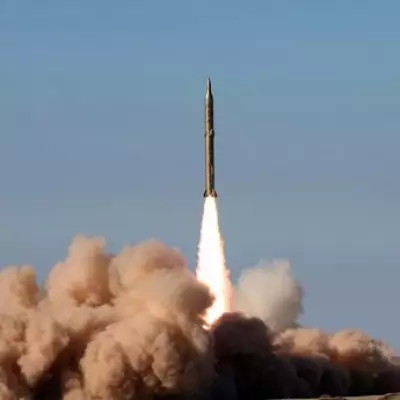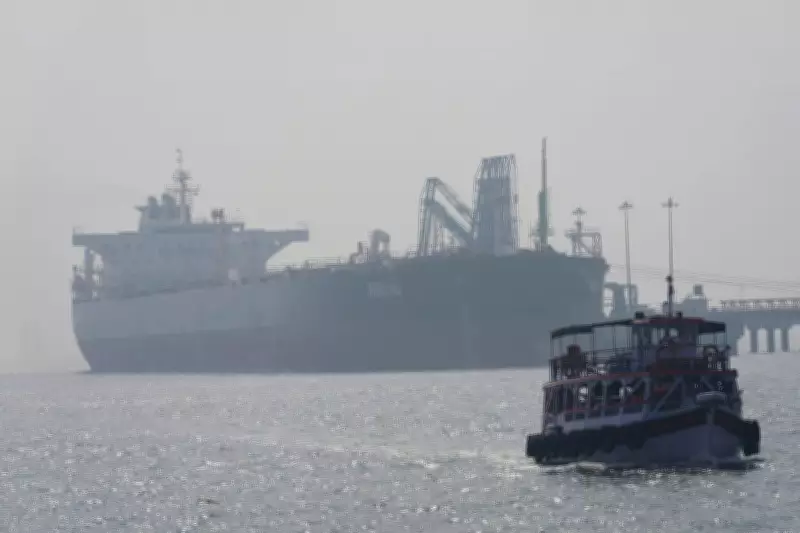
Iran has declared full authority over the Strait of Hormuz, laying sea mines that have ensnared hundreds of vessels and triggered a sharp rise in global oil prices. This blockade comes after three weeks of intense airstrikes on Iran by the United States and Israel, targeting a vital maritime corridor that handles approximately one-quarter of the world's liquefied natural gas and seaborne oil trade.
Why Mine Clearance Is a Complex and Dangerous Task
Specialists emphasise that removing these mines is a slow and grinding process, fraught with difficulties. The seabed in the Strait is littered with debris, complicating detection efforts, while modern mines are highly sophisticated, capable of targeting specific types of ships based on their acoustic or magnetic signatures.
The Historical and Tactical Context of Naval Mines
Naval mines are relatively inexpensive and mass-produced, making them a favoured asymmetric warfare tool. Since 1950, they have accounted for the majority of US naval casualties, highlighting their enduring threat. Iran maintains a substantial arsenal of various mine types, including drifting mines that can move with currents, adding to the clearance challenge.

Political and Military Risks Impede Reopening Efforts
Reopening the Strait is deemed improbable without a political resolution. Mine clearance operations would require US and UK minehunting ships to enter the area, exposing them to significant dangers from Iranian missile and drone attacks. This vulnerability underscores the need for a diplomatic settlement to de-escalate tensions and ensure safe passage.
Global Economic and Security Implications
The blockade has immediate repercussions for global energy markets, with oil prices surging due to disrupted supply chains. The Strait's strategic importance cannot be overstated, as it serves as a critical chokepoint for international trade. The situation underscores broader geopolitical tensions, with NATO allies monitoring developments closely amid concerns over regional stability and economic fallout.