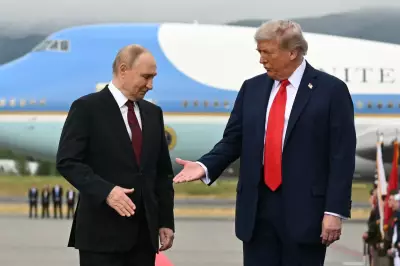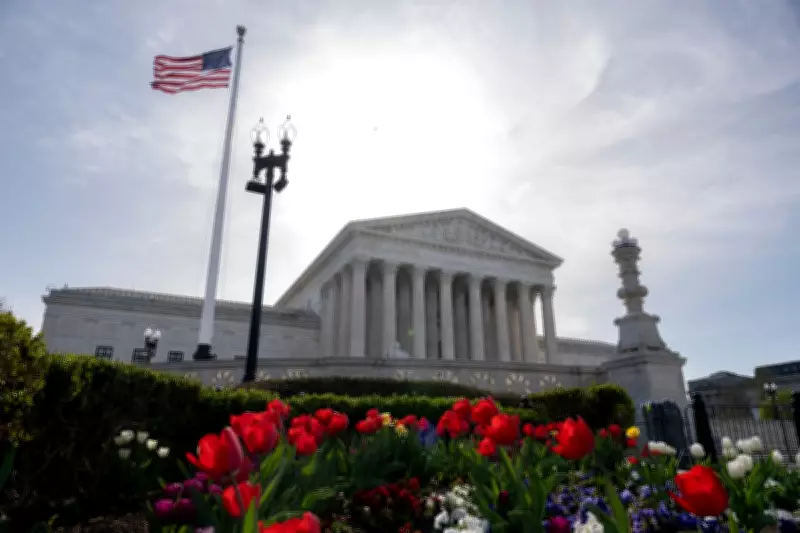
President Donald Trump is poised to make an unprecedented appearance at the Supreme Court today, attending oral arguments in a landmark case concerning his executive order to abolish birthright citizenship. This marks the first time in American history that a sitting president has observed Supreme Court proceedings, with the session scheduled to commence at 10 a.m.
Unprecedented Presidential Attendance
Trump confirmed his plans to reporters in the Oval Office earlier this week, stating, "I'm going. I think so. I do believe. Because I've listened to this argument for so long." While he had previously considered attending other Supreme Court cases, he ultimately declined, making this visit a significant departure from tradition. The move has ignited intense debate over the separation of powers, with critics condemning it as an overreach of executive authority.
Executive Order and Legal Challenges
Upon returning to office, Trump signed an executive order aimed at denying automatic citizenship to infants born in the United States, unless at least one parent is a citizen or permanent resident. The order faced immediate legal challenges from various groups, who argue that it violates the 14th Amendment of the Constitution. This amendment has long been interpreted to grant citizenship to nearly all individuals born on U.S. soil, forming a cornerstone of American immigration policy.

Supreme Court Proceedings and Implications
The Supreme Court is set to hear extensive arguments on the case, with a ruling expected to take several months. Legal experts highlight that this decision could have profound implications for immigration law and constitutional interpretation. Trump's attendance underscores the high stakes involved, as he seeks to defend his policy against claims that it undermines fundamental rights. Critics have labeled the executive order as "frankly ridiculous," emphasizing the potential for widespread legal and social repercussions if birthright citizenship is altered.
As the nation watches closely, this historic event raises questions about the future of citizenship norms and the balance of power among government branches. The outcome may reshape American identity and immigration frameworks for generations to come.