US President Donald Trump has launched a scathing critique of Prime Minister Keir Starmer's diplomatic mission to China, labelling the UK's pursuit of closer ties with Beijing as "very dangerous." The remarks came as Starmer concluded a three-day visit to China, where he engaged in high-level talks with President Xi Jinping.
Trump's Warning on UK-China Relations
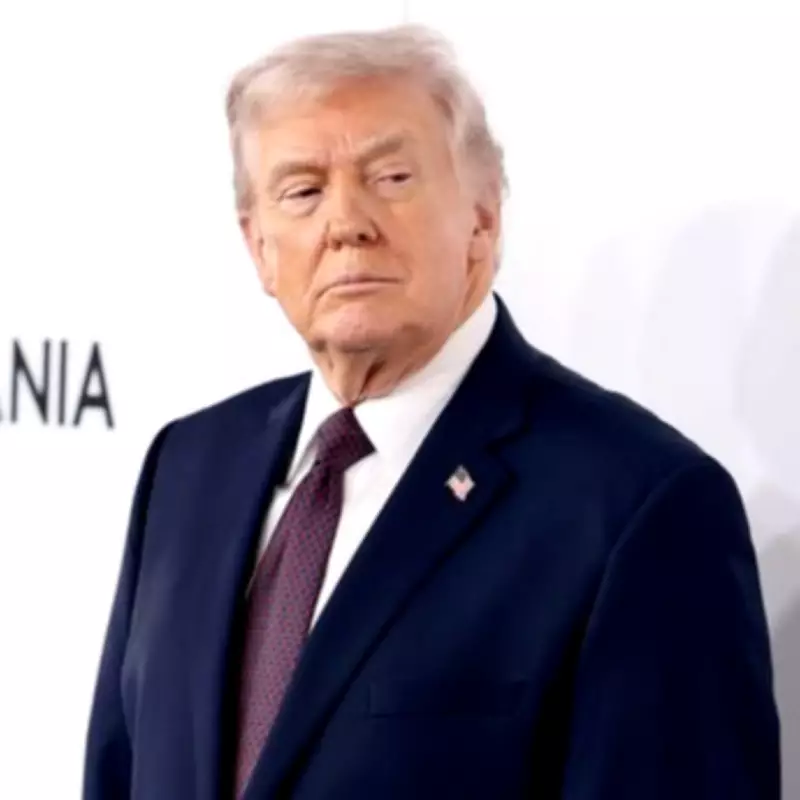
Speaking to reporters during the premiere of a film about former First Lady Melania Trump, President Trump expressed grave concerns about the UK's deepening engagement with China. "Well, it's very dangerous for them to do that," Trump stated, emphasising his familiarity with Chinese leadership while cautioning against viewing China as a solution to economic challenges.
The US President extended his criticism to include Canada, suggesting that nation's potential trade dealings with China represented an even greater concern. "I know President Xi is a friend of mine. I know him very well. But that's a big hurdle to go over when you get Canada," Trump added, highlighting the complex geopolitical landscape surrounding Western relations with China.
Tariff Threats Against Canada
Trump's comments coincided with his announcement of significant trade measures against Canada. Through a post on his Truth Social platform, the President revealed plans to impose a 50% tariff on all aircraft sold to the United States from Canada.
This punitive measure follows what Trump described as Canada's refusal to certify several Gulfstream jets, escalating an ongoing trade dispute between the neighbouring nations. The President has previously threatened Canada with tariffs as high as 100% over potential trade agreements with China, creating additional tension in North American trade relations.
Starmer's Diplomatic Mission in Beijing
Meanwhile, Prime Minister Starmer's visit to China represented a significant effort to rebuild UK-China relations after years of deterioration. During approximately three hours of discussions with President Xi Jinping, the leaders agreed to deepen their alliance and explore new areas of cooperation.
The Chinese President extended a ceremonial welcome at Beijing's Great Hall of the People, complete with a lavish banquet, as both leaders found common ground discussing football and Shakespeare. Downing Street characterised the talks as warm and productive, marking a potential turning point in bilateral relations.
Challenging Conversations Behind Closed Doors
Despite the cordial atmosphere, Prime Minister Starmer addressed several sensitive issues during his meetings with Chinese leadership. The Prime Minister raised concerns about the imprisonment of British national and pro-democracy campaigner Jimmy Lai, highlighting ongoing human rights concerns.
Starmer also discussed the conflict in Ukraine with President Xi, though he declined to specify whether he pressured Beijing to take stronger action to restrain Russia. These conversations occurred against a backdrop of previous tensions between Britain and China over espionage allegations, human rights issues, and national security concerns.
Broader Implications for International Relations
President Xi Jinping emphasised the importance of Sino-British cooperation during the visit, stating that both nations must "work together for the sake of world peace and stability" during what he described as "turbulent and fluid" global circumstances.
Prime Minister Starmer has advocated for a more "sophisticated" approach to UK-China relations, signing agreements for visa-free travel and leaving open the possibility of a future UK visit by President Xi. These developments occur as Britain seeks to navigate its post-Brexit international position while managing relationships with both the United States and China.
The contrasting approaches between the UK and US administrations toward China highlight differing strategic perspectives within Western alliances. While Starmer pursues engagement and dialogue, Trump maintains a more confrontational stance, creating potential diplomatic challenges for transatlantic cooperation on China policy.