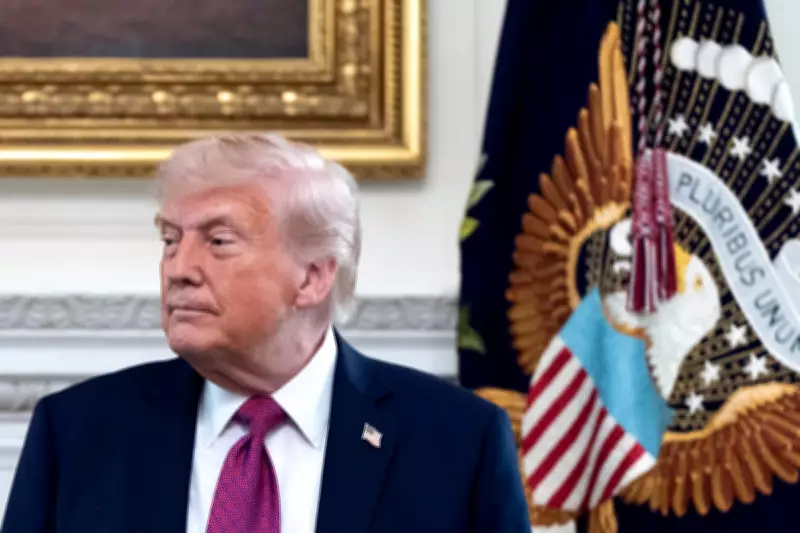
Trump Extends Iran Ceasefire Citing 'Seriously Fractured' Tehran Regime
In a last-minute decision, President Donald Trump has extended the fragile ceasefire with Iran, declaring the Tehran regime to be "seriously fractured." The move came as the deadline for the current truce loomed and proposed talks in Islamabad were suspended.
Pakistani Mediation and Ongoing Blockade
The extension follows a formal request from Pakistan, which has been mediating the conflict. However, President Trump emphasized that the US blockade of Iran's ports would remain fully in force, maintaining economic pressure on the country.
The decision arrives amid escalating tensions over the ongoing stand-off in the strategically vital Strait of Hormuz. The effective closure of this crucial shipping lane during the conflict has triggered a global economic shock, sending energy prices soaring worldwide.

Fresh Hostilities in the Strait
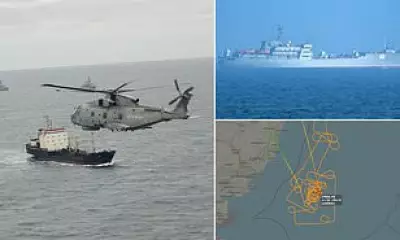
On Wednesday morning, tensions escalated further when the UK Maritime Trade Operations centre reported that an Iranian Revolutionary Guard gun boat had fired on a container ship approximately 15 miles north-east of Oman's coast. The attack caused significant damage to the ship's bridge, though all crew members were reported safe with no fires or environmental impact.
Meanwhile, military planners from nations seeking to join a UK and France-led defensive mission to secure the waterway post-conflict will convene in London on Wednesday to coordinate strategy.
Economic Implications and Diplomatic Efforts
New analysis from the Resolution Foundation think tank suggests that any escalation in the Middle East conflict could dramatically increase UK Government borrowing, potentially erasing most of the financial safety buffer established by Chancellor Rachel Reeves in last year's budget.
Pakistani leaders, including Prime Minister Shehbaz Sharif, made urgent efforts on Tuesday to persuade both Washington and Tehran to commit to further negotiations. However, these hopes diminished when US Vice President JD Vance, expected to lead American negotiators, canceled his trip to Pakistan after Iran refused to confirm attendance.
Trump's Statements and Threats
In a post on his Truth Social platform, President Trump explained his decision: "Based on the fact that the Government of Iran is seriously fractured, not unexpectedly so and, upon the request of Field Marshal Asim Munir, and Prime Minister Shehbaz Sharif, of Pakistan, we have been asked to hold our Attack on the Country of Iran until such time as their leaders and representatives can come up with a unified proposal."
He continued: "I have therefore directed our Military to continue the Blockade and, in all other respects, remain ready and able, and will therefore extend the Ceasefire until such time as their proposal is submitted, and discussions are concluded, one way or the other."
This announcement marked a reversal from Trump's earlier position. Just previously, he had told CNBC he did not want to extend the ceasefire and was prepared to renew attacks against Iran if progress stalled. "Well, I expect to be bombing because I think that's a better attitude to go in with," he stated, adding, "But, you know, we're ready to go. I mean, the military is raring to go."
Trump argued that Iran had no alternative but to negotiate, claiming, "We've taken out their navy, we've taken out their air force, we've taken out their leaders." He asserted that "regime change" had occurred and that current Iranian leadership was "much more rational."
Iranian Response and Regional Diplomacy
Iran's parliamentary speaker, Mohammad Bagher Qalibaf, who had been anticipated as Tehran's chief negotiator, accused President Trump of attempting to transform the negotiating table into a "table of surrender." In a post on X, he declared, "We do not accept negotiations under the shadow of threats," and indicated Iran was preparing "to reveal new cards on the battlefield."

In the United Kingdom, Prime Minister Sir Keir Starmer convened with ministers and officials to address the government's efforts to mitigate public pressures caused by the conflict. The Middle East Response Committee discussed contingency planning involving fuel suppliers, airlines, and international partners, alongside diplomatic support for US-Iran negotiations and military planning for the post-war Strait of Hormuz mission.
Financial Pressure and Sanctions
US Treasury Secretary Scott Bessent reinforced the economic dimension of the conflict in an X post, stating that the blockade of Iranian ports "targets the regime's primary revenue lifelines." He warned that entities assisting in channeling funds to Iran could face severe US sanctions.
The extension of the ceasefire represents a temporary pause in hostilities, but with the blockade continuing and both sides maintaining aggressive postures, the situation remains precarious with significant implications for global energy markets and regional stability.