Trump Declares Iran Conflict Approaching Conclusion
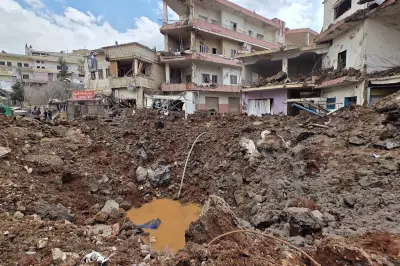
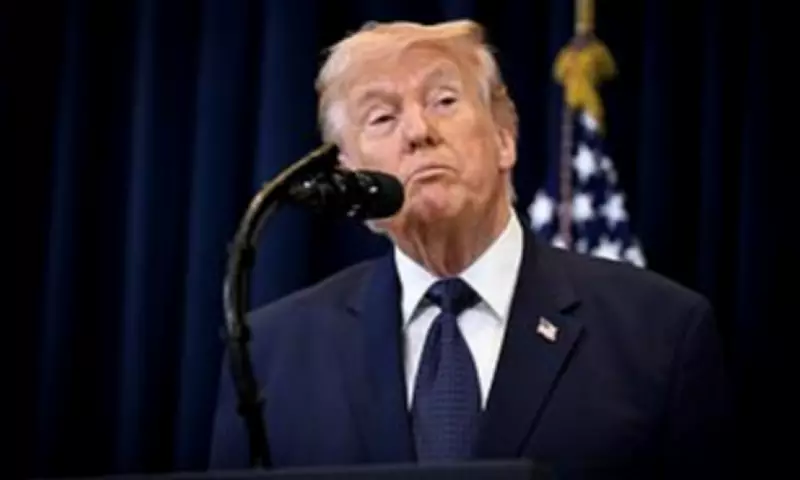
Former United States President Donald Trump has made a bold statement regarding the ongoing tensions with Iran, claiming that the war is nearing its end. In recent remarks, Trump indicated that there are practically no targets left to strike, suggesting a significant de-escalation in the conflict.
Details of Trump's Assertions
Trump, known for his outspoken views on foreign policy, elaborated that military actions have been so extensive that few viable targets remain in Iran. This comment comes amid a backdrop of prolonged geopolitical strife between the two nations, which has included sanctions, proxy battles, and occasional direct confrontations.
Key points from his statement include:
- The war with Iran is "soon" to end, according to Trump.
- He emphasized that there is "practically nothing left to target" in Iran.
- This perspective contrasts with ongoing reports of continued tensions and diplomatic efforts.
Context and Implications
The situation between the US and Iran has been volatile for years, with issues ranging from nuclear agreements to regional influence. Trump's comments may reflect a shift in strategy or perception, though experts caution that the reality on the ground could be more complex. Some analysts suggest this could be an attempt to downplay the severity of the conflict or signal a move towards diplomacy.
It is important to note that Trump's tenure saw heightened tensions, including the assassination of Iranian General Qasem Soleimani in 2020, which brought the two countries to the brink of war.
Reactions and Analysis
Reactions to Trump's statement have been mixed. Supporters view it as a sign of successful military pressure, while critics argue it oversimplifies a multifaceted conflict. The international community continues to monitor the situation closely, as any miscalculation could have widespread repercussions in the Middle East and beyond.
In summary, Trump's claim that the Iran war is ending due to depleted targets adds a new layer to the discourse, but the full resolution of this long-standing issue remains uncertain.