In a provocative statement likely to strain transatlantic ties, former US President Donald Trump has declared that Russian leader Vladimir Putin harbours a fear of the United States but not of Europe. The remarks came on Friday, 09 January 2026, a day marked by a deadly Russian drone assault on Kyiv that claimed four lives and triggered significant fires.
Trump's Divisive Comments on Putin and European Security
Speaking to reporters, Trump delivered a stark assessment of geopolitical power dynamics, directly challenging the defensive capabilities of Washington's closest allies. "Putin is not afraid of Europe. He's afraid of the United States of America as led by me," Trump stated emphatically. He doubled down, adding, "There's no fear of Europe."
In a further controversial suggestion, Trump indicated that a mission to capture the Russian President, similar to the operation that targeted Venezuelan leader Nicolas Maduro, would be "not necessary". This analogy is set to alarm European security officials who are deeply invested in containing Russian aggression, particularly following the ongoing war in Ukraine.
Broadside Against European Immigration and Support for Far-Right
Trump's latest broadside extended beyond military posturing into domestic European politics. He repeated previous claims that parts of Europe had "fallen behind" and were "not recognisable" due to immigration. This rhetoric aligns closely with the platform of various far-right parties across the continent.
It is noted that Trump and his "Make America Great Again" (MAGA) political allies have frequently offered vocal and material support to these nationalist movements in Europe, seeking to influence the political landscape of key allied nations.
Context of Ongoing Conflict and Transatlantic Tensions
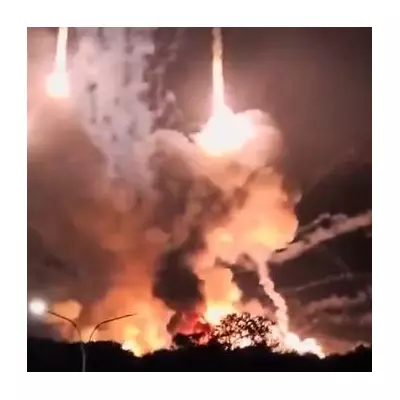
The timing of Trump's comments is particularly sensitive, arriving alongside news of a lethal Russian drone attack on the Ukrainian capital, Kyiv. The assault resulted in the death of four individuals and caused widespread fires, underscoring the persistent and deadly nature of the conflict on Europe's doorstep.
Analysts suggest that such statements from a leading figure in US politics risk undermining the united front that Europe and America have sought to maintain against Russian expansionism. By publicly questioning Europe's deterrent power and criticising its social policies, Trump introduces fresh uncertainty into the cornerstone alliance of the post-war order.
The long-term implications of this rhetoric, should Trump return to power, could signal a dramatic shift in US foreign policy, prioritising a unilateralist approach over the NATO-led collective security that has defined European defence for decades.