Trump Predicts Swift End to Iran Conflict Amid Escalating Attacks
US President Donald Trump has asserted that the ongoing military engagement with Iran will terminate in "two to three weeks," forecasting a subsequent decline in oil prices. This declaration follows statements from Iranian Foreign Minister Abbas Araghchi, who indicated no active negotiations with Washington, despite indirect communications.
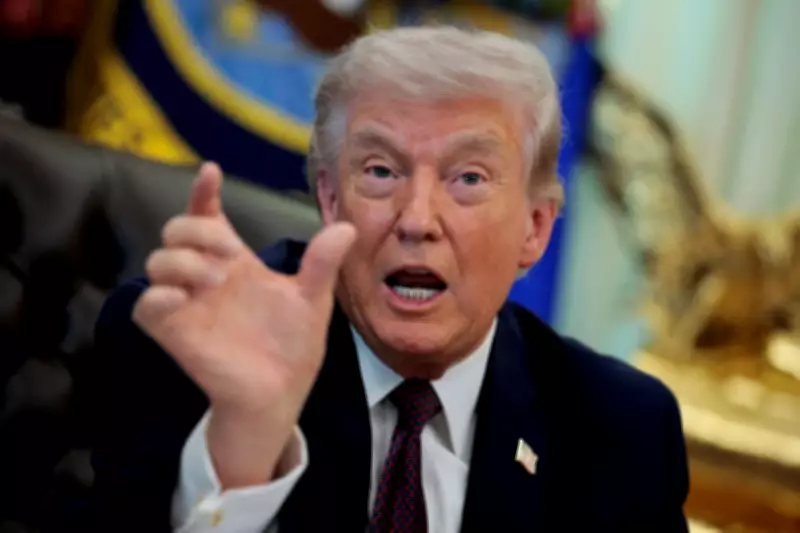
Addressing reporters, Trump emphasized that Iran is not required to broker a deal to halt hostilities, stating, "We'll be leaving very soon." He specified a withdrawal timeline of approximately two to three weeks, adding that the operation's conclusion hinges on Iran being incapacitated to a pre-industrial level, preventing nuclear weapon acquisition.
Regional Strikes Intensify as Kuwait Airport Targeted
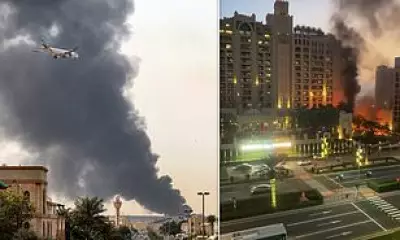
Simultaneously, missile and drone assaults persisted on Wednesday morning, with Kuwait reporting a significant incident. An Iranian drone attack ignited a substantial fire after striking fuel storage tanks at Kuwait International Airport, according to state media. The blaze caused extensive damage to facilities operated by the Kuwait Aviation Fuelling Company, though no casualties were immediately reported.

In a related development, Bahrain's Interior Ministry confirmed that civil defence teams extinguished a fire at a corporate facility, attributed to an Iranian attack. Authorities are assessing the situation, with no details yet on the company involved, injuries, or damage extent.
US Denies Allegations of Civilian Strikes in Iran
US Central Command has refuted claims that American forces targeted a sports hall and residential area in Lamerd, Iran, during the conflict's initial phase. Spokesperson Captain Tim Hawkins stated, "U.S. forces did not launch any strikes at any time into the city of Lamerd or within 30 miles during Operation Epic Fury's opening day." Hawkins contrasted this with Iranian actions, noting over 300 attacks on civilian sites in neighboring nations.
Oil Prices Surge Amid Middle East Volatility
Energy markets remain turbulent as Brent crude futures rose to $104.63 per barrel, reflecting a 0.63% increase, while US West Texas Intermediate crude reached $102.34 per barrel, up 0.95%. This uptick follows a record 64% monthly gain in March, driven by Middle East instability, including Iran's blockade of the Strait of Hormuz, a critical oil transit route.
Concurrently, US Energy Secretary Chris Wright highlighted achievements in energy dominance, citing the operational Golden Pass LNG export facility. However, this comes as US gas prices exceed $4 per gallon, exacerbated by regional conflicts.
Political and Diplomatic Fallout Unfolds
US Secretary of State Marco Rubio cautioned that Iran will not manipulate Trump with insincere negotiations, emphasizing a readiness for dialogue without compromising national defence. Meanwhile, CNN analyst Harry Enten reported Trump's approval ratings plummeting to a term low of -18 points, particularly among independents, potentially impacting future electoral prospects.
Additional incidents include an Israeli strike on an Iranian pharmaceutical company, alleged to supply fentanyl for chemical weapons development, and a UAE travel ban on Iranian nationals, excluding Golden Visa holders. These events underscore the broadening scope of the conflict and its multifaceted repercussions.